
-
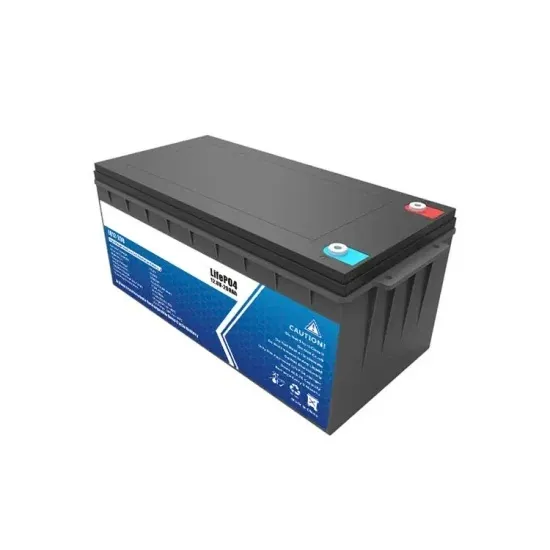
Charging and discharging efficiency of solar container lithium battery solar container energy storage system
Understanding the charging and discharging principles of solar lithium batteries is integral to maximizing the efficiency and lifespan of these energy storage solutions. . How efficient are battery energy storage systems? As the integration of renewable energy sources into the grid intensifies, the efficiency of Battery Energy Storage Systems (BESSs), particularly the energy efficiency of the ubiquitous lithium-ion batteries they employ, is becoming a pivotal factor. . This report describes development of an effort to assess Battery Energy Storage System (BESS) performance that the U. Department of Energy (DOE) Federal Energy Management Program (FEMP) and others can employ to evaluate performance of deployed BESS or solar photovoltaic (PV) +BESS systems. The. . on more than panels and batteries to operate efficiently. Charging occurs when your photovoltaic panels convert sunlight into electricity, then this surplus energy is stored in batteries. Discharging begins when those batteries release stored energy to. . The lithium-ion battery has the characteristics of low internal resistance, as well as little voltage decrease or temperature increase in a high-current charge/discharge state.
[PDF Version]
-
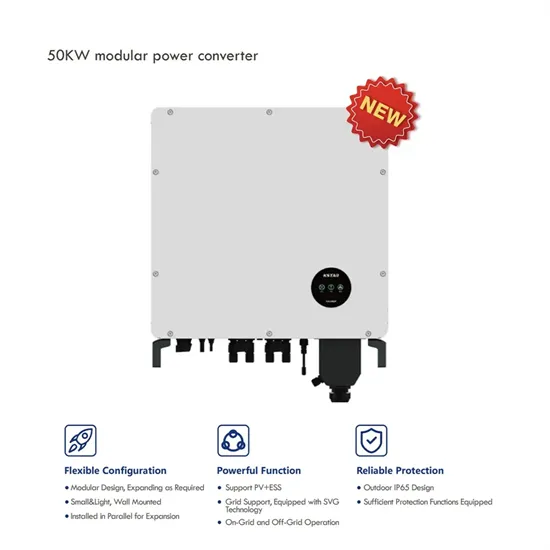
Qatar Smart Photovoltaic Energy Storage Battery Cabinet with Ultra-High Efficiency
Combining reliability, simplified installation and intelligent cloud-based monitoring, the SOFAR CBS8000 enables optimal energy autonomy, efficient self-consumption management and complete remote control for your photovoltaic installation or energy storage system. Available in 64 kWh, 80 kWh, and 96 kWh versions, it delivers up to 48 kW of charge and discharge power and can be connected in parallel up to. . The battery cabinets are available in 5 different mechanical dimensions, are able to contain various combination of Batteries, up to maximum 63 blocks, connected in series and parallel, with positive, negative and middle point poles and with max DC voltage of 800Vdc. This company is run by. . That's exactly what's happening in Qatar, where the Doha photovoltaic energy storage system is rewriting the rules of energy production. Spoiler: it involves. . tter-ies were installed in Australia [3]. With the integration of BES, the PV system can charge the battery with surplus solar energy, and then the battery can discharge to meet the l ad when solar energy is insufficient [4]. Currently, the added capacit ements thus improving the grid stability.
[PDF Version]
-
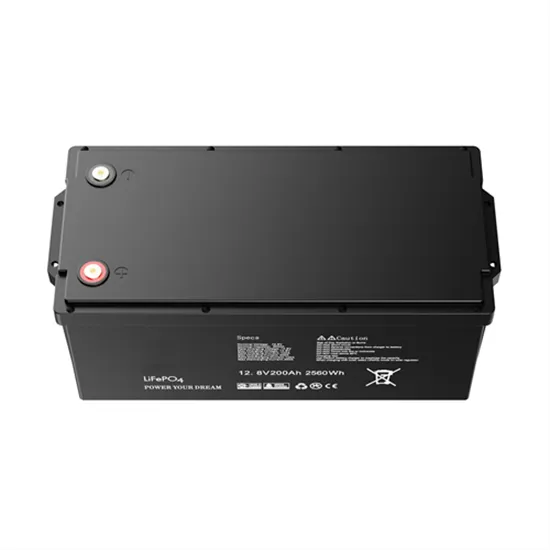
Aluminum battery energy storage efficiency
With global energy storage demand projected to grow by 23% annually through 2030 (BloombergNEF 2023), aluminum batteries offer unique solutions. Let's break down their potential: “Aluminum batteries could reshape mid-tier storage markets first before. . This new aluminum-ion battery could be a long-lasting, affordable, and safe way to store energy. It offers a safer, more sustainable, and. . Aluminum battery energy storage is emerging as a promising alternative to traditional lithium-ion systems. While Lithium-Ion Batteries (LIBs) have long dominated the market due to their high energy density and durability, sustainability concerns arise from the environmental impact of raw material. .
[PDF Version]
-
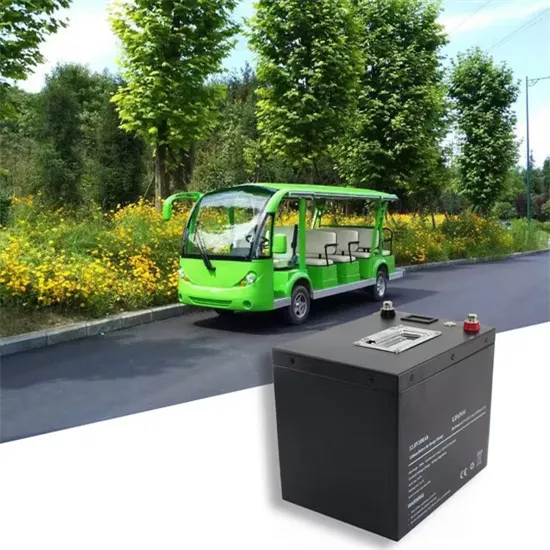
AC charging lithium battery energy storage cabinet sales
Discover FM & EN certified lithium battery storage cabinets at LithiPlus. Purpose-built for critical backup and AI compute loads, they provide 10–15 years of reliable performance in a smaller footprint than VRLA batteries. With advanced. . At LithiPlus, we value your inquiries and feedback. Our dedicated team is here to assist you with any questions or requests you may have. Feel free to reach out to us using the following contact information: I authorize LithiPlus to contact me via SMS and phone call at the number provided for. . Protect your facility and your team with Securall's purpose-built Battery Charging Cabinets—engineered for the safe storage and charging of lithium-ion, lead-acid, and other rechargeable batteries. These cabinets feature self-closing, oil-damped doors and triple hinges for maximum structural endurance.
[PDF Version]
-
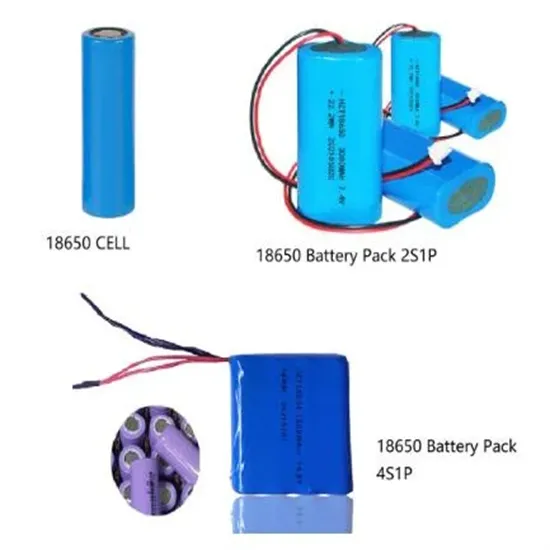
Nigerian Energy Storage Battery Cabinet with Ultra-High Efficiency
The Cabinet offers flexible installation, built-in safety systems, intelligent control, and efficient operation. It features robust lithium iron phosphate (LiFePO4) batteries with scalable capacities, supporting on-grid and off-grid configurations for reliable energy storage. . These systems function as a robust battery powered generator alternative, enabling renewable energy generation and stable power delivery without reliance on diesel fuel. • 125kW PCS (Power Conversion System) per cabinet • MPPT platform connected to photovoltaic power generation • 261kWh lithium. . The Felicity Solar FLS‑ES232LC‑S is a high-performance liquid-cooled energy storage system delivering 232. 9 kWh of LiFePO₄ capacity paired with a 100 kW bi‑directional inverter. The. . Nigeria, a country blessed with over 2,600 hours of sunshine annually, paradoxically faces one of the world's most significant power deficits, with 92 million people lacking a stable power supply.
[PDF Version]
-
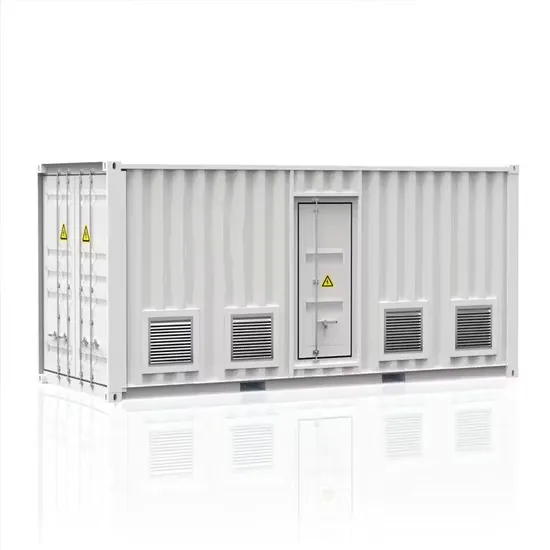
Current energy storage battery costs
Q1: What is the average price per kWh battery storage for commercial projects in 2025? A1: While prices vary by region and project size, commercial and industrial (C&I) systems typically range between $250 and $450 per kWh on an installed basis. This includes the battery . . In this work we describe the development of cost and performance projections for utility-scale lithium-ion battery systems, with a focus on 4-hour duration systems. The projections are developed from an analysis of recent publications that include utility-scale storage costs. For a commercial or industrial entity, the hardware is only one part of the equation; installation, permitting, and grid connection. .
[PDF Version]
 MENU