
-
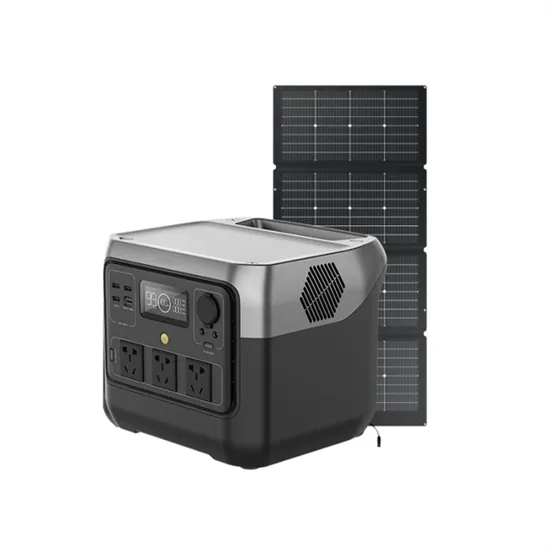
Energy storage industrial and commercial storage integrated machine price
On average, commercial and industrial energy storage systems cost between $320 and $480 per kilowatt-hour (system-level, installed). Department of Energy's (DOE) Energy Storage Grand Challenge is a comprehensive program that seeks to accelerate. . There is a need for a trusted benchmark price that has a well understood and internally consistent methodology so comparing the different technology options across different power and energy levels produces a reliable answer. When people ask “How much does. . Energy storage systems serve a key purpose in the energy markets, offering several benefits to both commercial businesses and grid operators, including: Demand charge reduction through peak shaving: This is achieved by dispatching the battery during peak hours (or events) to help an end user reduce. . Global industrial electricity prices surged 34% on average between 2020 and 2023, with European prices spiking 180% during the energy crisis. Commercial operators now achieve payback periods under five years through peak shaving and demand charge management. A Texas manufacturing plant reduced its. .
[PDF Version]
-
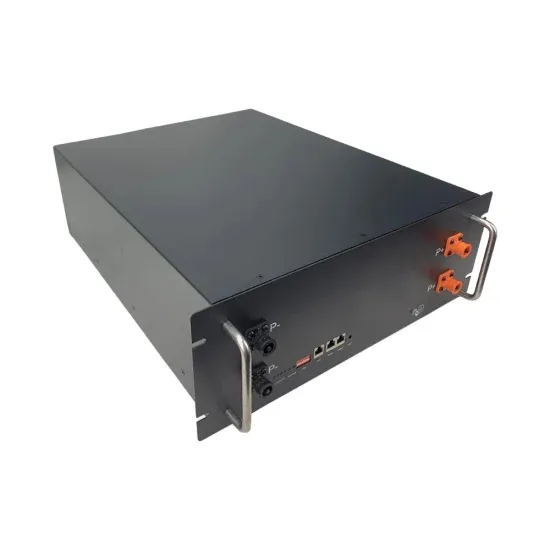
Recommended suppliers of industrial and commercial energy storage cabinets
Based on field research, customer feedback, and technical evaluations, we have identified the top three energy storage cabinet suppliers in the current market, analyzing industry trends and selection logic. For instance, Guangdong Province (including Shenzhen and Guangzhou) excels in advanced electronics infrastructure, enabling rapid prototyping and cutting-edge. . Summary: Discover how industrial and commercial energy storage cabinet manufacturers are revolutionizing power management across industries. Such systems are typically made up of multiple battery packs and inverters that work together to store and distribute energy as needed. Efficient integration with a. .
[PDF Version]
-
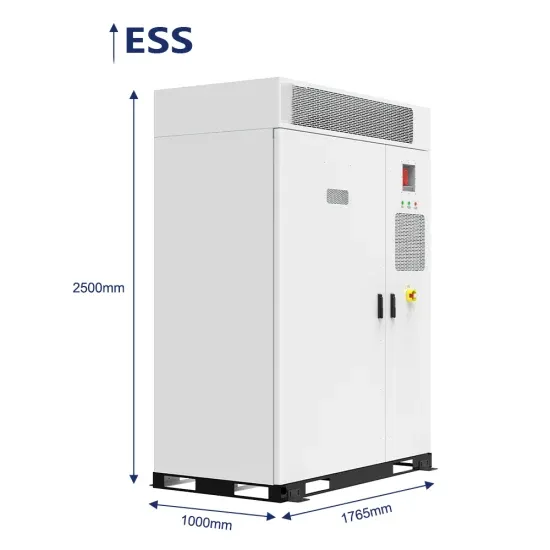
Industrial and commercial factory solar energy storage project
This guide will walk you through the essential steps of integrating industrial solar battery storage into your facility, ensuring you're prepared for a greener, more cost-efficient future in 2025. Part 2 will give a. . Cut energy costs, boost reliability, and go green with solar battery storage. . SolarEdge's energy ecosystem is designed to maximize energy cost savings, seamlessly integrating PV, EV charging and storage solutions, promoting safety in combustible environments, and minimizing carbon emissions. Built-in PV safety features are engineered to minimize fire risks in. . We have delivered hundreds of projects covering most of the commercial applications such as demand charge management, PV self-consumption and back-up power, fuel saving solutions, micro-grid and off-grid options.
[PDF Version]
-
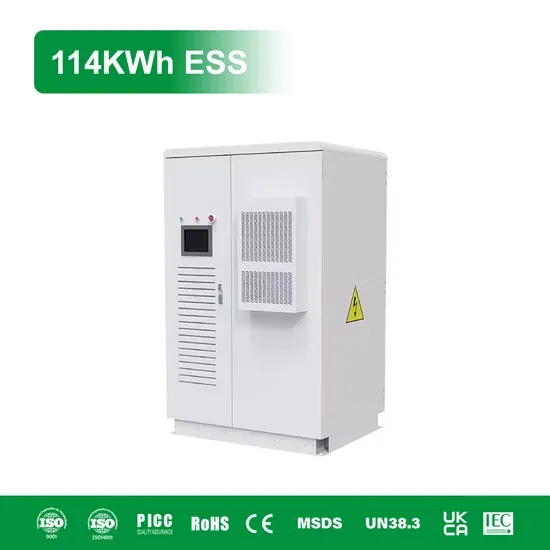
Nepal s industrial and commercial solar energy storage
Summary: Nepal is rapidly advancing its energy storage initiatives to address power shortages and integrate renewable energy. This article explores the country's progress, challenges, and innovative solutions like solar-storage hybrids and microgrids. Missed potential of solar energy For decades, Nepal has focused almost exclusively on hydropower development to meet its energy needs. Until. . Huawei Digital Power Nepal, in collaboration with the Confederation of Nepalese Industries (CNI), organized a dialogue on solar photovoltaic (PV) and energy storage sustainability. The event took place at the Huawei Exhibition Center in Hattisar, Kathmandu, bringing together over 80 key. . Solar PV has specific advantages as an energy source: once installed, its operation generates no pollution and no greenhouse gas emissions, it shows simple scalability in respect of power needs and silicon has large availability in the Earth's crust. Learn how these projects are reshaping Nepal's. .
[PDF Version]
-
Disadvantages of Huawei s Industrial Energy Storage
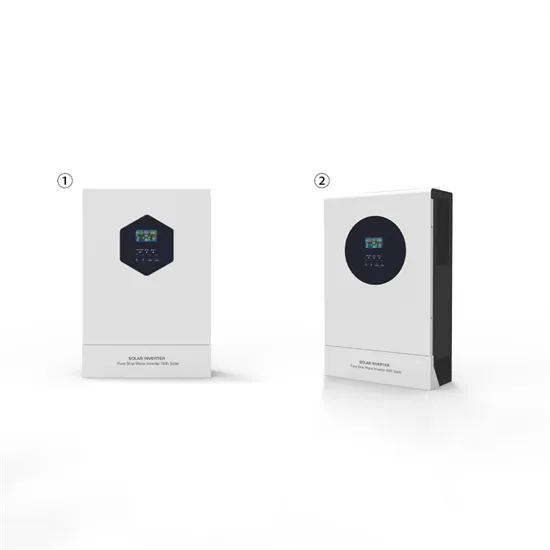
Conclusion: The main drawbacks of Huawei inverters include their higher upfront cost, potential complexity in larger systems, and limited brand recognition in certain regions. The initial investment for purchasing and installing these systems can be quite high, particularly for larger or more advanced configurations. Why are battery energy storage systems important? Battery energy storage. . One of the ongoing problems with renewables like wind energy systems or solar photovoltaic (PV) power is that they are oversupplied when the sun shines or the wind blows but can lead to electricity shortages when the sun sets or the wind drops. However, they come with several disadvantages that warrant. . What is Huawei smart string energy storage system?With Huawei Smart String Energy Storage System, you can power your life by green power storage and be astonished by its admirable performance. No matter nights, rainy days or unexpected blackouts off the grid, the solar power is always at your. . Let's explore the key advantages of Huawei inverters in solar systems.
[PDF Version]
-
Industrial energy storage field trends
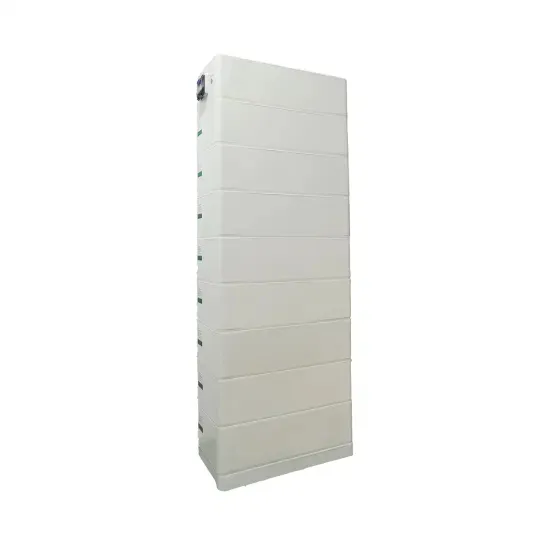
Falling battery costs, robust policy incentives, and corporate RE100 targets are expanding the addressable universe of sites that can monetize storage through demand-charge management, frequency regulation, and renewable matching. . Energy storage can add significant value to the industrial sector by increasing energy efficiency and decreasing greenhouse gas emissions (Mitali, Dhinakaran, and Mohamad 2022; Kabeyi and Olanrewaju 2022). Global industrial energy storage is projected to grow 2. As countries across the globe seek to meet. . As energy reliability becomes increasingly critical for businesses of all sizes, commercial and industrial (C&I) energy storage systems are emerging as indispensable assets across the U. With the convergence of rising electricity costs, growing pressure for decarbonization, and financial. . Demand is shifting from back-up applications toward grid-optimization, as sub-USD 90/kWh lithium-ion pricing and synthetic PPAs unlock profitable energy arbitrage even where utility tariffs remain at USD 0.
[PDF Version]
 MENU