
-
Energy storage system performance review
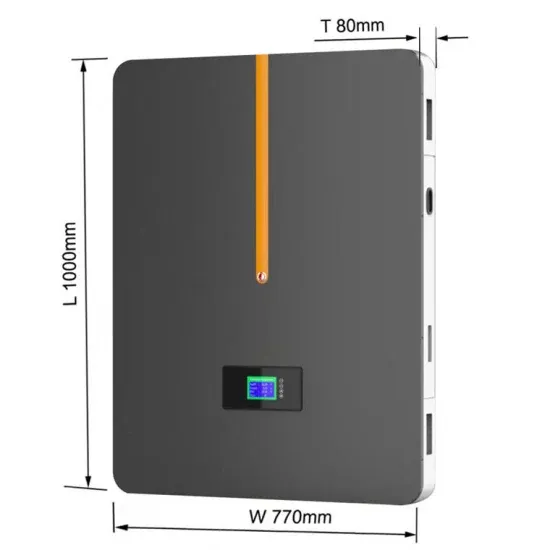
This report fulfills the duties assigned to the Energy Storage (Technologies) Subcommittee (the Subcommittee) of the Electricity Advisory Committee (EAC) by the Energy Independence and Security Act (EISA) of 2007 related to assessing the U. Department of Energy's (DOE) activities in energy. . In recent years, China's new energy storage application on a large scale has shown a good development trend; a variety of energy storage technologies are widely used in renewable energy development, consumption, integrated intelligent energy systems, distribution grids, and microgrids; and. .
[PDF Version]
-
Estonia energy storage technologies
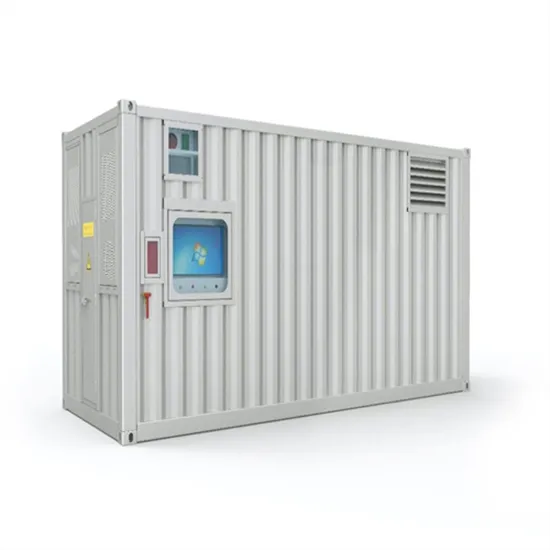
Summary: Estonia's power plant energy storage initiatives are reshaping the country's renewable energy landscape. This article explores the project's goals, technological innovations, and how it addresses grid stability challenges while supporting Estonia's 2030 green. . Estonia is one of the most energy independent countries in the EU due to domestically mined oil shale, which accounts for approximately 50 percent of the Estonian energy mix. The government has committed to achieving climate neutrality by 2050 and has set a near-term goal of producing 80 percent of. . Estonia's Tartu Energy Storage Power Station exemplifies how battery storage systems stabilize grids overwhelmed by solar and wind energy. With 47% of Estonia's electricity now coming from renewables (2023 National Energy Report), such projects prevent blackouts and reduce fossil fuel dependency. Learn why this. . If you're interested in the Energy market, also check out the top Energy & Cleantech, Renewable Energy, Recycling, Oil & Gas or Energy Efficiency companies. Meet Tarvo, Jaan and Aleksandr that work here 1. The Hertz 1 has a storage capacity of 100 MW / 200 MWh and is located near Tallinn, connected to to Estonia's 330 kV transmission. .
[PDF Version]
-
High-capacity cluster photovoltaic energy storage cabinet product review
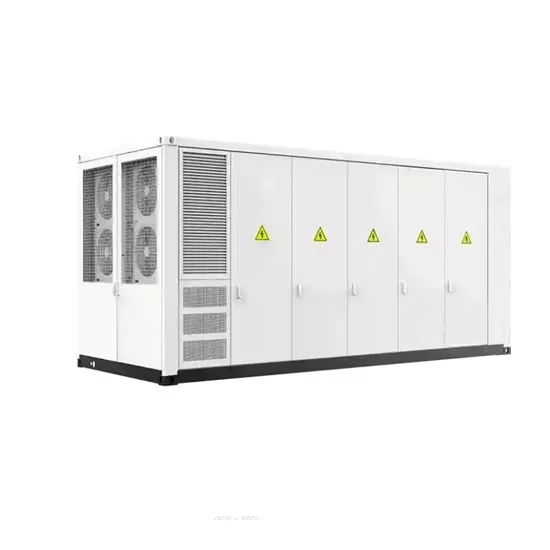
The Cabinet offers flexible installation, built-in safety systems, intelligent control, and efficient operation. It features robust lithium iron phosphate (LiFePO4) batteries with scalable capacities, supporting on-grid and off-grid configurations for reliable energy. . Energy storage systems (ESS) might all look the same in product photos, but there are many points of differentiation. Look for units housed in robust casings, often metallic, which provide excellent protection for the sensitive components within. For example, a sturdy rack-mounted design, like. . The Huijue Indoor Photovoltaic Energy Cabinet is a complete high-performance indoor energy storage solution for telecommunication, business, and industry. The integration of PV and energy storage in smart buildings and outlines the role of energy storage for PV in f load management and energy storage systems.
[PDF Version]
-
Review of Hybrid Products Photovoltaic Outdoor Energy Storage Cabinets for Fire Stations
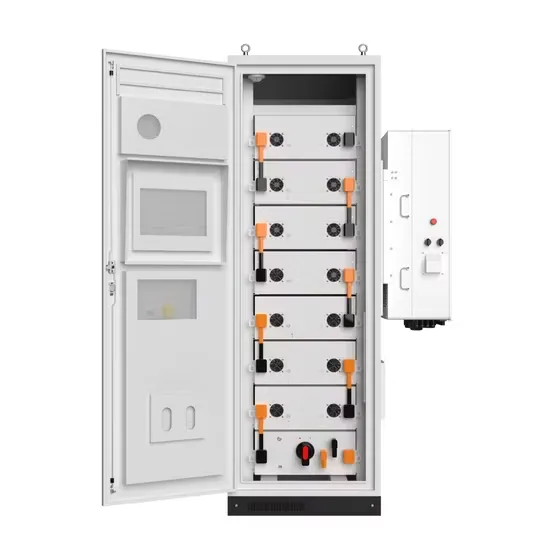
Summary: As solar energy storage systems expand globally, fire safety in photovoltaic (PV) storage cabins has become a critical concern. This article explores specialized firefighting equipment, industry standards, and real-world solutions to mitigate risks –. . Fire protection design for outdoor energy storage cabinets has become a critical focus in renewable energy and industrial sectors. Whether you're an engineer, project manager, or facility. . As renewable energy adoption grows, are becoming the backbone of reliable power supply in homes, businesses, and critical infrastructure. Combined with the advanced technology of the hybrid power station, this cabinet not only provides a reliable energy solution but also effectively reduces the. . Can solar power be used for structural fire fighting? s equipped with solar power systems or in the systems themselves. Scalable from Residential to Utility. What is an Outdoor Photovoltaic Energy Cabinet for base. .
[PDF Version]
-
Review of solar energy storage cabinet hybrid products for marine use
This study bridges this gap directly by proposing a generic hybrid battery energy storage system (HBESS) design and evaluation framework in full-electric marine applications that accounts for the key design requirements in the system topology conceptualization phase. . Clean Marine Switchboards has developed and delivered an integrated energy grid system that help ships reduce emissions and to run their propulsion systems fully electric or in a hybrid mode. The design. . In 2025, the maritime industry is embracing a new era of clean, autonomous operation through the adoption of hybrid energy systems. Designed to combine multiple renewable sources—such as solar, wind, wave energy, and hydrogen fuel cells—these systems are transforming how off-grid marine vessels. . ABS has developed a series of Requirements for hybrid electric technologies (Lithium-ion Batteries Requirements, Supercapacitor Requirements, Fuel Cell Power Systems Requirements, DC Power Distribution Requirements).
[PDF Version]
-
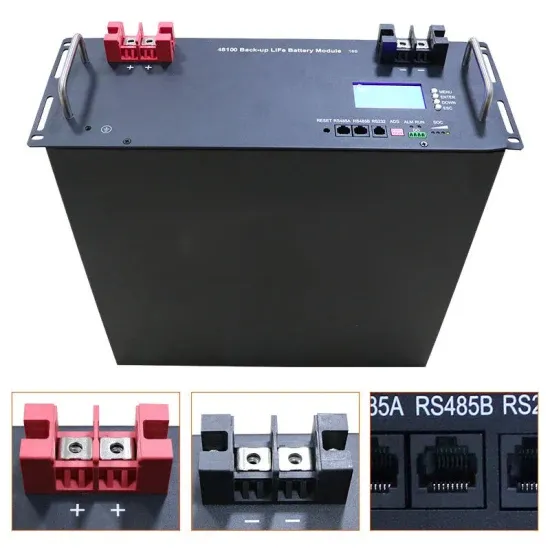
Types of energy storage systems and technologies
This comprehensive guide examines five main categories of energy storage technologies: battery energy storage systems, mechanical energy storage, thermal energy storage, chemical energy storage, and electrical energy storage. This dramatic cost reduction, combined with 85-95% round-trip efficiency and millisecond response times, has made. . Battery storage in the power sector was the fastest growing energy technology commercially available in 2023 according to the IEA. It is not always possible for the sun to shine. Pumped hydro uses water and gravity, while thermal storage captures heat or cold in materials like molten salt or ice. These technologies play a crucial role in integrating renewable sources, improving grid stability, and. .
[PDF Version]
 MENU