
-
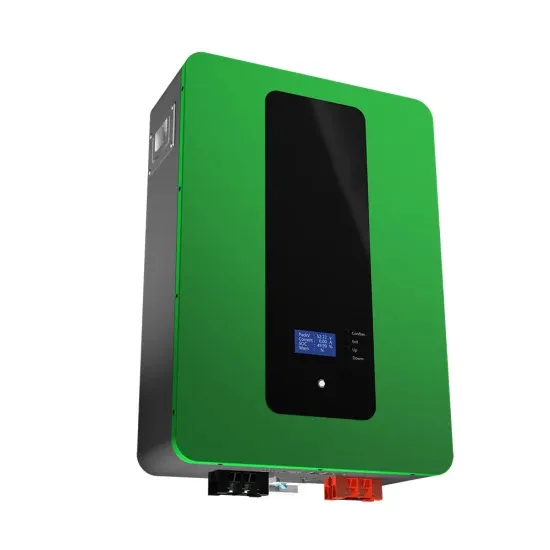
Portable manufacturer of outdoor communication cabinets for energy storage power stations
KDST's product line includes outdoor telecom cabinets, Energy Cabinets, base station cooling equipment, Cabinet Air Conditioner, electrical enclosures and System Integration. HuiJue's outdoor weatherproof enclosure cabinet box solutions are developed for demanding field. . AZE is an OEM NEMA type or IP rated Outdoor Enclosure Manufacturer, our products are designed for Harsh Outdoor Environments,AZE provides a large variety of standard sizes from 16″ to 90″ high and from 25″ to 42″ deep with adjustable and reversible EIA 19″ or 23″ racking rails, front and rear doors. . The series of outdoor communication energy cabinets, HJ-SG-D02 by Huijue Group, is a powerhouse designed to provide reliable energy supplies and backup systems in a wide array of outdoor communications applications. They play a vital role in ensuring the stable operation of communication networks and the safety of equipment.
[PDF Version]
-
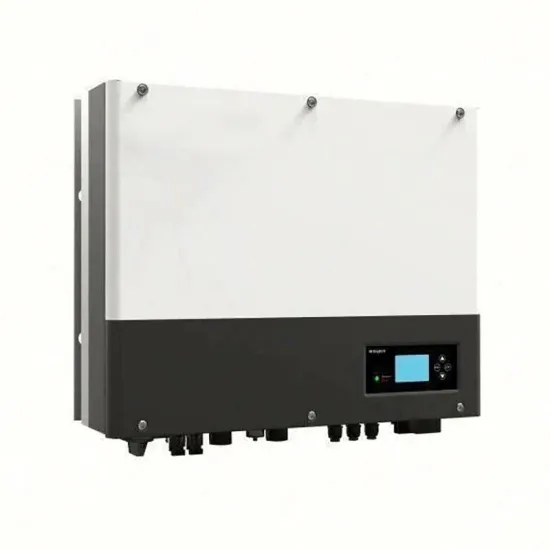
Small construction of wireless solar container communication stations for wind power
This paper proposes constructing a multi-energy complementary power generation system integrating hydropower, wind, and solar energy. Details of complementary study. This paper proposes. . lerating energy transition towards renewables is central to net-zero emissions. This renewable energy infrastructure project is under development by an (IPP), under the (BOOT) model, with support from the (IFC), a member of the, as part of the bank's "Scaling Solar" program. Here,we demonstrate the potentialof a globally i terconnected solar-wind. . The wind-solar hybrid power system is a high performance-to-price ratio power supply system by using wind and solar energy complementarity. The environment resources of communication stations in a remote mountain area are analyzed and a reliable and practical design scheme of wind-solar hybrid power. .
[PDF Version]
-
Share of wind power in China s solar container communication stations
29%of the weather stations have good complementarity of wind- and solar-energy resources on the interannual scale,but 45. Here,we demonstrate the potentialof a globally i terconnected solar-wind. . China is advancing a nearly 1. 3 terawatt (TW) pipeline of utility-scale solar and wind capacity, leading the global effort in renewable energy buildout. This is in addition to China's already operating 1. . China's wind capacity follows a similar rate of growth as solar, according to Global Energy Monitor's Global Wind Power Tracker, with over 590 GW in prospective phases — nearly 530 GW of onshore capacity and 63 GW of offshore capacity.
[PDF Version]
-
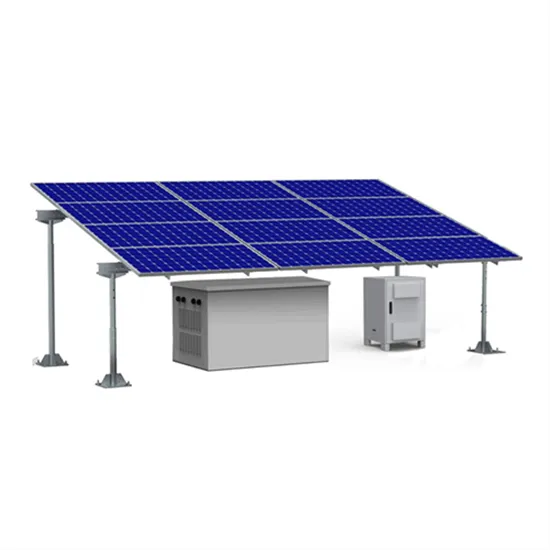
Waste photovoltaic panels from photovoltaic power stations
As solar installations expand globally, we face a new, important challenge: managing photovoltaic (PV) modules at the end of their operational life. This guide will help you understand the critical processes of PV module recycling and reuse, ensuring solar energy. . Waste from end-of-life solar panels presents opportunities to recover valuable materials and create jobs through recycling. According to the International Renewable Energy Agency Diverting solar panels from landfills to recycling saves space in landfills in addition to capturing the value of the. . Solar energy technologies and power plants do not produce air pollution or greenhouse gases when operating. Using solar energy can have a positive, indirect effect on the environment when solar energy replaces or reduces the use of other energy sources that have larger effects on the environment. If you are disposing of solar panels. .
[PDF Version]
-
What power supply is used in Tanzania base stations
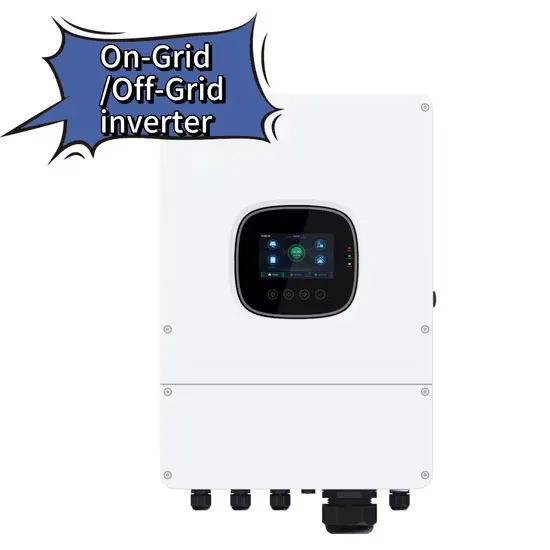
Tanzania is endowed with diverse power sources including biomass, natural gas, hydro, coal, geothermal, solar, wind, and uranium, much of which is untapped. 35 MW as of 31st December 2023. . However, in most parts of Tanzania, electrical power supply is unreliable. Of the grid installed capacity of 1,899. 82 MW. . TANESCO's Generation Division is responsible for all Power Generation functions owned by TANESCO 86. 5%, both National Grid-connected and off - Grid Stations. 50%, which feed the National Grid and isolated areas as. . The Tanzanian government is strengthening its electricity infrastructure with the installation of two 340 MVA transformers at the Kinyerezi One natural gas power station. This article explores how innovative energy storage technologies address power challenges while supporting sustainable growth in the region.
[PDF Version]
-
What power equipment are there for wind and solar hybrid solar container communication stations
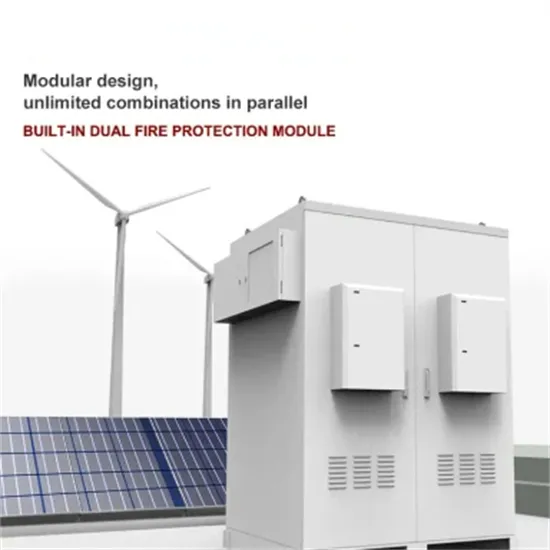
The core components may include a solar array, generator (either diesel or propane), a battery system and power inverter, satellite communications plus remote monitoring and management tools. Each container system is custom-built for your site and situation. . This large-capacity, modular outdoor base station seamlessly integrates photovoltaic, wind power, and energy storage to provide a stable DC48V power supply and optical distribution. Perfect for communication base stations, smart cities, transportation, power systems, and edge sites, it also. . Each system integrates solar PV, battery storage, and optional backup generation in a modular, pre-engineered platform that is scalable for projects ranging from 5kW to 5MW+. These rugged, self-contained systems integrate large solar arrays, advanced battery storage, and high-capacity fuel cells — with optional diesel redundancy when regulatory or client. . What is emerging is the concept of a stand-alone hybrid renewable energy system that can be transported easily and dropped at a location – to start generating power with a minimum of setup time. In an effort to bring clean energy to remote customers at affordable prices, the California-based. . In the global transition toward decentralized, renewable energy solutions, solar power containers have emerged as a transformative force — offering scalable, transportable, and rapidly deployable clean energy systems.
[PDF Version]
 MENU