
-
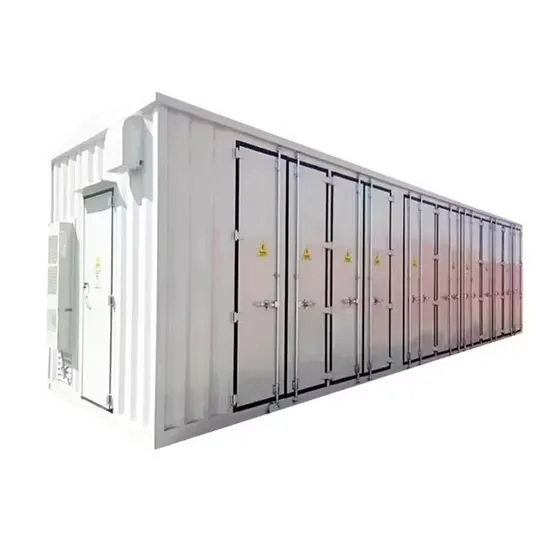
Hybrid type of data center cabinets for virtual power plants in Malaysia
A modular data centre functionally provides the same purpose of a traditional, stick-built data centre, but is a portable and scalable method of deploying data centre capacity. This self-contained. . Malaysia Data Center Power Market is Segmented by Component (Electrical Solutions, Services), Data Center Type (Hyperscaler/Cloud Service Providers, Colocation Providers, and More), Data Center Size (Small Size Data Centers, Medium Size Data Centers, Large Size Data Centers and More), Tier Type. . Modular data centre solutions promote designs that adapt to complex infrastructure requirements in different locations and environments. Modular approach minimises changes and delays, simplifies project design and. . CACS (Cold Aisle Containment System) By using cold aisle containment system, the hot and cold air streams are separated; providing significant energy savings over traditional uncontained configurations. The 3,500 m² retrofit supports production validation for air-cooled, cold-plate liquid-cooled servers, and full rack-scale systems.
[PDF Version]
-
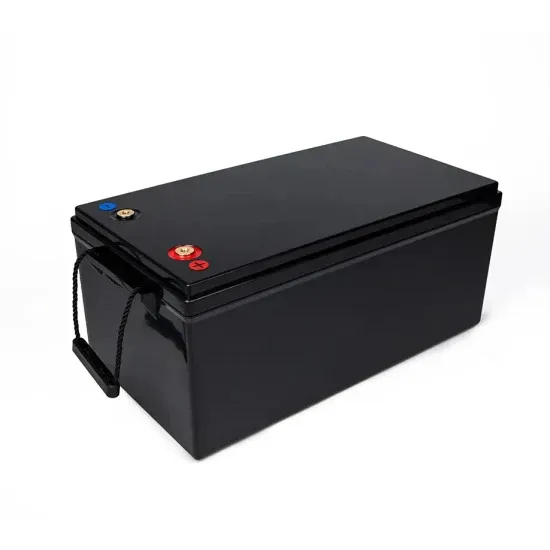
Hybrid Commissioning of Data Center Battery Cabin
The process involves systematic verification of hardware, control logic, and safety mechanisms to achieve reliable performance under dynamic conditions. The following outlines the key phases of commissioning, with emphasis on synchronization, performance validation, and. . helming perception of the data center was that every facility was unique. Several forces are driving adoption: In many cases, on-site generation allows data centers to deploy capacity years earlier than grid-only approaches would permit. . To enhance the use of green energy and lessen reliance on fossil-fuel-based grid electricity, combining battery energy storage systems (BESS) with hybrid solar and wind power systems is a practical solution. Traditional approaches such as batteries or transmitting to the grid fall short on scale, overhead, or "green-ness". We propose Virtual Battery: instead of adapting the availability of power. . Commissioning integrated renewable-battery systems requires meticulous procedures to ensure seamless operation between power generation, storage, and grid interfaces. It can be widely used in application scenarios such as industrial parks. .
[PDF Version]
-
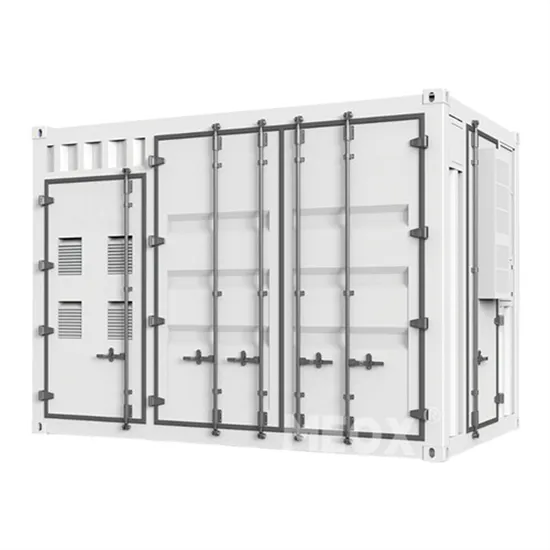
Data Center Solar Power Generation
Solar energy offers data centers a path to reduce their carbon footprint and operational expenses. 2 compared to industry averages closer to 1. Improving cooling efficiency through hot/cold aisle containment, liquid cooling in high‑density racks, immersion. . Later in January, the Stargate AI partnership between OpenAI, Oracle, and SoftBank Group was reported by Bloomberg to be powered, at least in part, by solar. SB Energy, which is part of SoftBank's portfolio, is expected to develop solar installations backed by grid-scale batteries. As our reliance on digital infrastructure grows, so does the energy consumption of these mission-critical facilities. Energy Information Administration (EIA) estimates as of May 2025 that as “a result of growing U.
[PDF Version]
-
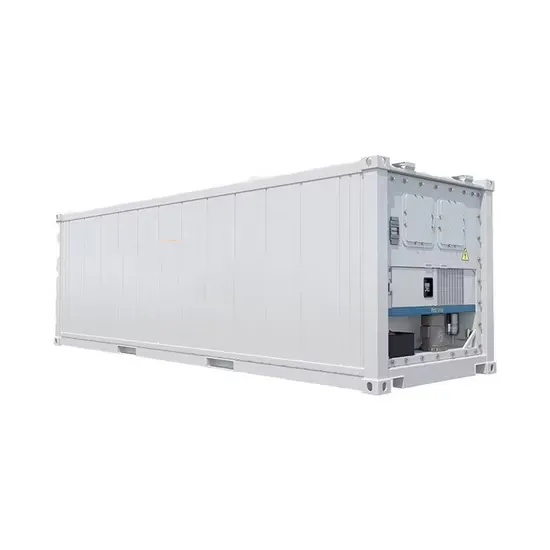
Price of a 5MW Data Center Battery Cabinet
5 million, depending on three key factors: Battery Chemistry: Lithium-ion dominates, but newcomers like lithium-sulfur promise 3x the storage at lower costs [1]. Toyota Prius of batteries—both work, but one's. . Prices swing between $1. Capacity meaning: It can deliver 5MW for 1 hour, or lower power output for a longer duration. SunArk Power has 20+ experience producing energy storage products and 90,000+. . The Vertiv™ EnergyCore Li5 and Li7 battery systems deliver high-density, lithium-ion energy storage designed for modern data centers. Purpose-built for critical backup and AI compute loads, they provide 10–15 years of reliable performance in a smaller footprint than VRLA batteries. 3. Extendable-modular, adding more capacities as needed, Nx5MWh. 5. Long lifespan, up to 6000 cycles.
[PDF Version]
-
Comparison of maintenance costs for 100kW data center racks used in emergency rescue
While a standard rack uses 7-10 kW, an AI-capable rack can demand 30 kW to over 100 kW, with an average of 60 kW+ in dedicated AI facilities. This article provides a condensed analysis of these costs, key efficiency metrics, and optimization strategies. Data center power density, measured in. . Just like virtual CPUs (vCPUs) relate to physical CPUs in cloud computing, kW/rack defines power use per server rack. This impacts colocation pricing, energy use, and performance. IT system energy efficiency. . Poor maintenance planning doesn't just cost money — it kills uptime. Break Down the Real Cost Drivers 3. . Once you have the power consumption of each rack in watts (W), convert it to kilowatt-hours (kWh), which is the standard unit for measuring electricity usage over time. Formula: (Total Power in Watts ÷ 1000) × Number of Operational Hours per Year Example: A rack using 2000W running 24/7 (2000 ÷. . The capex costs of data-centers are typically $10M/MW, with opex costs dominated by maintenance (c40%), electricity (c15-25%), labor, water, G&A and other. A 30MW data-center must generate $100M of revenues for a 10% IRR, while an AI data-center in 2025+ may need to charge $10/EFLOP of compute.
[PDF Version]
-
Power Data Transmission Base Station
Base stations must meet FCC and ICNIRP standards. These define safe electromagnetic exposure limits. Engineers measure field strength against published thresholds. They inspect backup power, lightning protection, and grounding for electrical safety. Overlapping cells can cause. . Often referred to as the brain center, this includes: Baseband Unit (BBU): Handles baseband signal processing. Remote Radio Unit (RRU): Converts signals to radio frequencies for transmission. Service areas are based around the location of a base. . Modern FPGAs and processors are built using advanced nanometer processes because they often perform calculations at fast speeds using low voltages (<0. Additionally, new generation FPGAs need lower core voltages to vastly improve computational speeds while. . 5G can help realize the future of Internet of Things (IoT), connected cars and smart cities through higher speeds (up to 10 Gbps), better coverage (capacity expansion by a factor of 1,000) and improved reliability (by leveraging ultra-wide bandwidth and throughput). The traditional wireless. . They need denser placement.
[PDF Version]
 MENU