
-
How much wind power can be absorbed by 1gw energy storage
Research work suggests that the share of wind needs to be more than 50% of yearly demand before storage options become cost efficient– unless there is no possibility to use transmission with neighbouring areas. For solar power storage is an enabler in lower shares than for. . In a LinkedIn post today it was asked how much storage capacity is needed to provide at least 1 GW continuos output from a combination of 3 GW wind power and 3 GW solar/PV power. In the post the author calculates this capacity to be 57 GWh based on 5 years of ERCOT data. renewable energy penetration levels, 2. In particular, the analysis must consider the variability of renewables like solar and. . Having storages in power systems is shown to increase the cost effectiveshare of wind and solar (Figure 3). High shares of wind and solar will increase the value of storage. Since it fluctuates both seasonally and daily without any reliable forecasts some assumptions need to be. . The system comprises more than 18,000 Lithium-ion batteries, and is capable of providing 100 MW of power for 4 hours, for a total of 400 MWh (or 1,440 Gigajoules) of energy, that is over two orders of magnitude lower than what is necessary to power a medium-sized city. This wind-storage coupled system can make benefits. .
[PDF Version]
-
How much does a solar 40-degree energy storage cabinet cost
The price range for an outdoor energy storage cabinet typically lies between $3,000 and $15,000, depending on various factors, such as **1. additional features, and **5. Whether you're planning a solar integration project or upgrading EV infrastructure, understanding. . Let's cut through the noise - photovoltaic storage cabinets are rewriting energy economics faster than a Tesla hits 0-60. When discussing storage capacity, a. . Amidst the massive deployment of solar energy storage containers, buyers are left with a simple, yet important question: How much does a solar energy storage container cost? What are the forces that drive its price, and how do you cut costs without sacrificing performance? The article below will go. . The cost of a home energy storage system can vary widely based on several factors. Battery Costs: This is the biggest part of the. .
[PDF Version]
-
How much does a 10kW solar energy storage cabinet for a us mine cost
Total Cost Reality: While battery units cost $7,000-$12,000, total installed systems range from $8,500-$17,000 due to installation complexity, electrical upgrades, and supporting equipment. Strong ROI in Specific. . We'll outline everything you need to know about 10kW solar systems below, including how much they cost, what they can power and how to determine if a 10kW solar energy system is right for you. Ten kilowatts of solar power is enough to run a larger-than-average home. Prices vary based on brand, battery type, and installation costs. Consider energy savings and reputable sources when. . A 10kW solar power system usually covers 55 to 70 square meters and can generate up to 16,700 kWh of electricity annually. This cost is influenced by factors such as module efficiency, tilt angle, orientation. . Energy storage cabinet costs aren't one-size-fits-all. Let's unpack the main cost drivers: The energy storage sector is evolving faster than a Tesla charging station. Here's what buyers should know: "The sweet spot for ROI currently lies in 50-100kW systems with hybrid configurations," notes energy. . But before you jump on the bandwagon, let's tackle the million-dollar question (or rather, the $15,000 question): What's the real cost of these systems? The "Diet Coke" of energy: Modern systems store sunshine like your fridge stores leftovers – just way more efficiently.
[PDF Version]
-
How many kilowatts does it take to charge the solar energy storage cabinet system
Typical storage need: 20-40 kWh depending on solar system size Complete energy independence requires the largest storage capacity: Typical storage need: 50-100+ kWh with multiple days of autonomy Understanding your energy consumption patterns is crucial for proper battery sizing. Here's how to. . PWRcell 2 lets you use solar and battery at the same time and allows a generator to recharge the battery, maximizing home backup power. PWRcell 2 includes an ecobee Smart Thermostat Enhanced, providing a convenient in-home display for viewing real-time energy flow, solar performance, battery status. . If you're shopping around for solar panels or battery storage for your home, you're undoubtedly come across the terms 'kilowatt' (abbreviated as kW) and kilowatt-hour (kWh). These terms might be a bit confusing at first, so we've written this article to explain these terms and make them easy to. . An off-grid solar system's size depends on factors such as your daily energy consumption, local sunlight availability, chosen equipment, the appliances that you're trying to run, and system configuration. For example, 24 kWh = 500 amp hours at 48 volts → 500 Ah x 48V = 24 kWh It's usually a good idea to round up, to help cover inverter inefficiencies, voltage drop and other losses. Power rating, expressed in kilowatts (kW), denotes the maximum energy transfer rate achievable over time.
[PDF Version]
-
Solar and wind power energy storage cooperation project
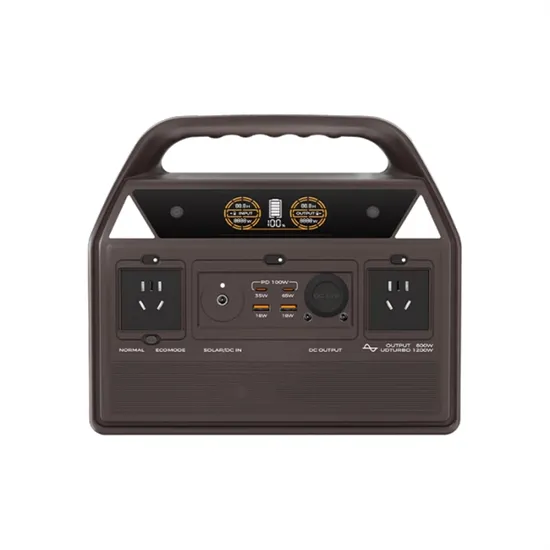
Summary: This article explores how integrating wind, solar, and energy storage technologies creates reliable renewable energy systems. We analyze global applications, cost trends, and real-world case studies while addressing common challenges in hybrid power . . To integrate variable renewable energy resources into grids, energy storage is key. Energy storage allows for the increased use of wind and solar power, which can not only increase access to power in developing countries, but also increase the resilience of energy systems, improve grid reliability. . South Korean battery maker Samsung SDI has signed a cooperation agreement with state-owned power producer Korea East-West Power (EWP) to jointly develop and invest in energy storage and renewable energy projects in domestic and overseas markets, Samsung SDI said on Monday. Why Energy Storage Collaboration. .
[PDF Version]
-
How Much Does Energy Storage solar Invest in Turkey Cost
The Energy Market Regulatory Authority (EMRA) approved a 35-gigawatt-hour (GWh) capacity allocation for grid-scale storage projects, with an estimated investment of $10 billion. Timeline: Energy storage investments will gain speed by the first quarter of 2025, with systems. . T ürkiye is making significant strides toward its 2053 net-zero carbon emissions goal by ramping up investments in energy storage systems according to Türkiye daily. Energy and Natural Resources Minister Alparslan Bayraktar confirmed. . How Long Until I See a Return on Investment? What Is the Future Outlook for Government Support? Are Solar and Wind Regulations Different? Why is Turkey ideal for renewable energy investment? What types of renewable projects thrive in Turkey? What government incentives support renewable energy. . Investing in Utility-Scale and C&I Solar (GES) in Turkey: YEKA/YETA, Rooftop, Hybrids and Storage—A Legal Brief for Foreign Investors Türkiye's solar market is scaling fast and offers four practical entry routes for foreign investors: (i) YEKA/YETA utility-scale tenders, (ii) rooftop C&I. . Energy storage is very important for Turkey's renewable energy plans. Turkey wants to reach big goals for solar and wind power. More renewable energy means Turkey needs better energy storage.
[PDF Version]
 MENU