
-
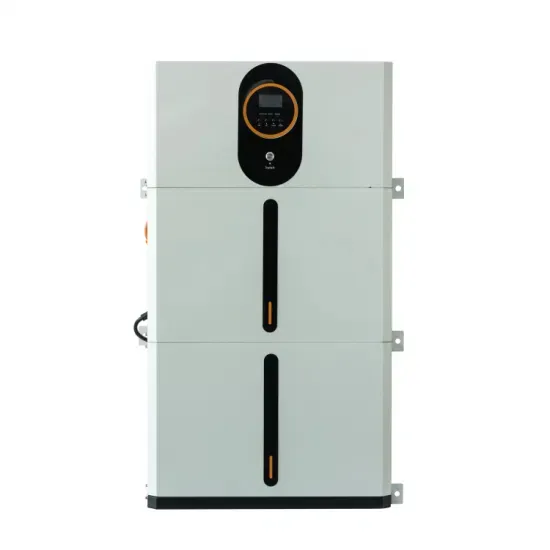
How many solar panels are connected in series on the roof
Most residential systems hit their ceiling at 12-15 panels in series, but the exact number? That's where things get interesting. . Connecting three solar panels in series can triple your system's voltage output while maintaining consistent current flow – a smart configuration for maximizing power generation in limited roof space. This setup increases your overall system voltage to 36-48V, ideal for charging 24V batteries or. . To chain multiple photovoltaic modules — like solar panels — in an array, you must connect them together and to your portable power station or other balance of system. You can do that one of two ways (or a hybrid of both). This guide explains the idea in plain words, with examples that anyone can follow — even if maths is not your thing.
[PDF Version]
-
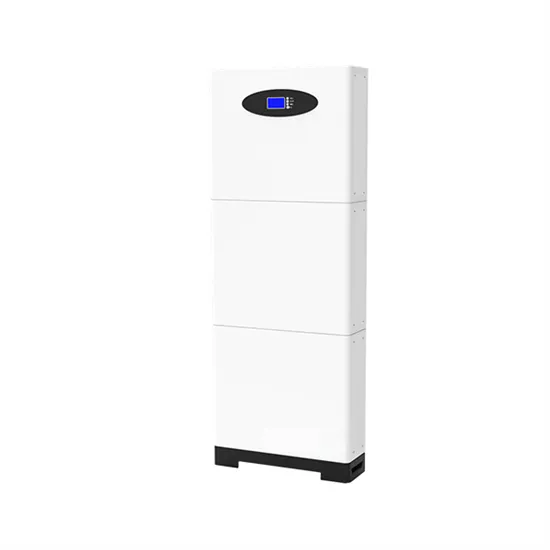
12 volt solar photovoltaic panels in series
Always pick solar panels with the same voltage and current. This helps your system work well and stops energy loss. Bypass diodes can help fix this problem. When wired in parallel, the amperage increases while the voltage stays the same, allowing you to. . Connecting more than one solar panel in series, in parallel or in a mixed-mode is an effective and easy way not only to build a cost-effective solar panel system but also helps us add more solar panels in the future to meet our increasing daily needs for electricity. How to connect your solar. . When it comes to wiring your 12 volt solar panels, there are several key factors to consider. First and foremost, you need to choose a suitable wire size that can handle the current generated by your panels and protect against potential voltage drops.
[PDF Version]
-
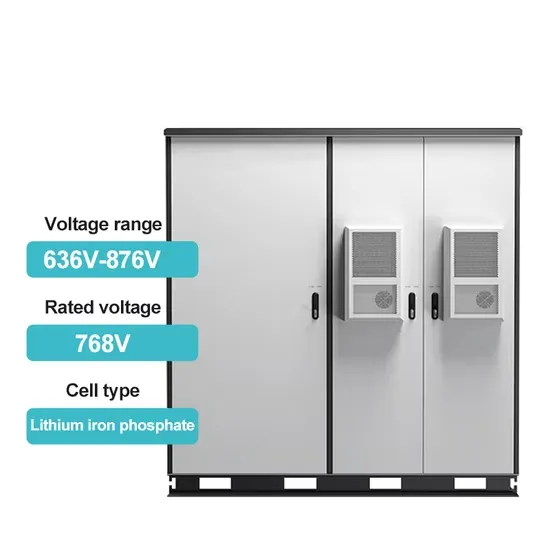
Connecting solar panels with different currents in parallel
Connecting solar panels in parallel keeps the voltage constant while combining the current from each panel. This method involves joining all positive terminals together and all negative terminals together, creating multiple paths for electricity to flow. . Connecting more than one solar panel in series, in parallel or in a mixed-mode is an effective and easy way not only to build a cost-effective solar panel system but also helps us add more solar panels in the future to meet our increasing daily needs for electricity. This setup is common in 12V or 24V systems where you want to safely charge batteries or run low-voltage inverters. This article will provide a comprehensive guide on how to properly connect solar panels in parallel, along with a detailed diagram to help you visualize the. . In this page we will teach you how to wire two or more solar panels in parallel in order to increase the available current for our solar power system, keeping the rated voltage unchanged.
[PDF Version]
-
Can 60v direct charging solar panels be used
Connecting a 60V solar panel directly to a battery is generally inadvisable without a proper charge controller in between. Direct connections can lead to overcharging, as solar panels typically output voltage levels higher than what batteries can safely accept, risking damage or. . Charging a 60V battery with a solar panel is not only environmentally friendly but also cost-effective in the long run. However, it requires a thorough understanding of the process, the right equipment, and proper setup to ensure safe and efficient charging. This article will delve into the details. . Direct Charging Feasibility: Solar panels can directly charge batteries, simplifying the setup compared to conventional methods that require inverters. To prevent this, use a charge controller. This device ensures the voltage output matches the battery's needs. Understand Electrical Specifications, 3.
[PDF Version]
-
Solar panels with a power of more than 1 kilowatt
The most powerful solar panel is AIKO's 795-watt (W) Neostar 2N+7, followed by Grand Sunergy's GSM-MH3/132-BHDG750 and RECOM's Lion RCM-750-8DBHM, which are both 750W. We've got more detail about all 11 panels further down the page. . Here are the most powerful, highest wattage solar panels currently available, with all the analysis you need to pick the best model for your home. What kind of home do you live in? The more electricity your solar panel system produces, the more money you can save on your energy bills – so it's. . In recent years, solar panel efficiency has remained a key benchmark of technological progress; however, in the utility-scale sector, the spotlight has shifted more toward maximising power output. A charge. . Electricity generation by the U. In our latest Short-Term Energy Outlook (STEO), we expect U. 6% in 2027, when it reaches an annual total of 4,423 BkWh.
[PDF Version]
-
Solar panels are foldable
Foldable solar panels are lightweight, flexible solar devices designed for easy transportation and storage. They're engineered to harness solar energy in remote locations, offering a sustainable power source for various devices such as smartphones, laptops, and portable power. . Looking for the best foldable solar panel to power your adventures? Whether you're backpacking in the wild or prepping for an emergency, having reliable, portable solar power can make all the difference. From lightweight panels like. . [Industry-Leading N-Type 25% Efficiency] Engineered with premium 16BB cell and N-Type technology, the Renogy 300 watt solar panel achieves 25% conversion efficiency - significantly outperforming standard 9BB 300w solar panel's 22. They provide convenience, portability, and unlimited solar power as long as you can charge them directly under sunlight. Durable This item has an. .
[PDF Version]
 MENU