
-
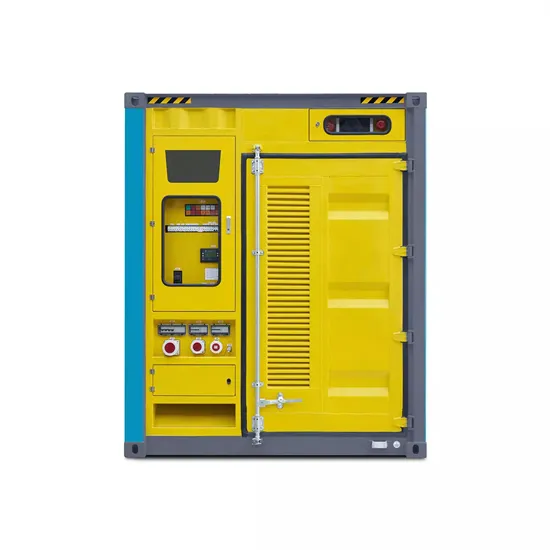
Gitega communication base station flywheel energy storage management content
This paper explores the integration of distributed photovoltaic (PV) systems and energy storage solutions to optimize energy management in 5G base stations. . Thanks to the unique advantages such as long life cycles, high power density, minimal environmental impact, and high power quality such as fast response and voltage stability, the flywheel/kinetic energy storage system (FESS) is gaining attention recently. How much energy is stored in a composite. . A battery energy storage system (BESS) or battery storage power station is a type of technology that uses a group of to store. Electrical energy is thus converted to kinetic energy for storage. For discharging, the motor acts as a generator, braking the rotor to. .
[PDF Version]
-
Communication base station energy storage system secondary emission
The paper aims to provide an outline of energy-efficient solutions for base stations of wireless cellular networks. . The 5G BSs powered by microgrids with energy storage and renewable generation can significantly reduce the carbon emissions and operational costs. This paper presents a brief review of BSMGEMS. The optimization of PV and ESS setup according to local conditions has a direct impact on the economic. . As global 5G deployments surge to 1. 3 million sites in 2023, have we underestimated the energy storage demands of modern communication infrastructure? A single macro base station now consumes 3-5kW – triple its 4G predecessor – while network operators face unprecedented pressure to maintain uptime. . In today's 5G era, the energy efficiency (EE) of cellular base stations is crucial for sustainable communication. This not only enhances the. .
[PDF Version]
-
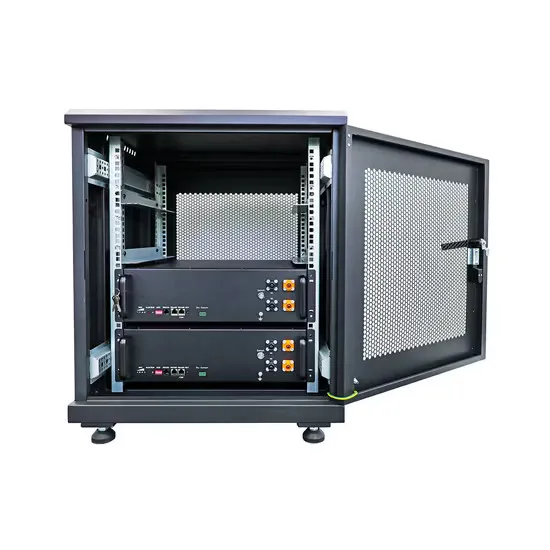
How to view the local communication base station energy storage system
Base station energy storage refers to systems designed to store energy, primarily for telecommunications infrastructure, enabling reliable operation during power outages and. Users can use the energy storage system to discharge during load peak periods and charge from the grid during low load periods, reducing peak load demand and saving electricity. . In such cases, energy storage systems play a vital role, ensuring the base stations remain unaffected by external power disruptions and maintain stable and efficient communication. Remote base stations often rely on independent power systems. This not only enhances the. . Base station energy cabinet: floor-standing, used in communication base stations, smart cities, smart transportation, power systems, edge sites and other scenarios to provide stable power supply and backup and optical wiring.
[PDF Version]
-
Manila LTE emergency communication base station battery energy storage system earthquake relief
The United Nations Development Programme (UNDP) diagnosed the pressing want for a solution and responded by deploying rapid-response BTS (Base Transceiver Station) Energy Boxes to ensure communication resilience in disaster-hit areas. The one-stop energy storage system for communication base stations is specially designed for base. . PHIVOLCS Earthquake Bulletins of latest seismic events in the Philippines are listed below. The event parameters (hypocenter, time and magnitude) are determined using incoming data from the Philippine Seismic Network. They enable two-way voice, data, and signaling exchange between user devices and the core network. A base station consists of antennas, radio transceivers, power units, batteries, backup generators, network access. . Huijue Group's energy storage solutions (30 kWh to 30 MWh) cover cost management, backup power, and microgrids. Philippine Standard Time (PST) is eight hours ahead of Coordinated Universal Time. .
[PDF Version]
-
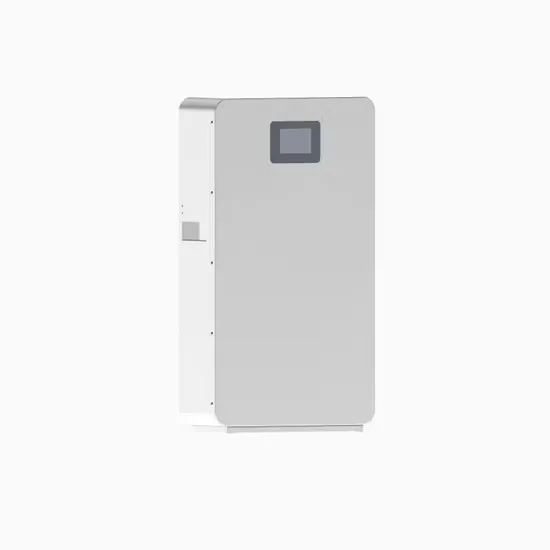
Base station energy storage price trends
Energy storage prices saw slight declines in late 2024, but a new wave of tariffs and trade rulings is likely to reshape pricing in the months ahead. This Premium article, which was one of the most read Premium articles in 2025, has been made free to all to offer a glimpse of our Premium coverage. BNEF analyst. . DOE's Energy Storage Grand Challenge supports detailed cost and performance analysis for a variety of energy storage technologies to accelerate their development and deployment The U. 2% during the forecast period 2025-2031. tariff framework pose. . 5G Base Station Energy Storage by Application (5G Macro Base Station, 5G Small Base Station), by Types (LiB, VRLA), by North America (United States, Canada, Mexico), by South America (Brazil, Argentina, Rest of South America), by Europe (United Kingdom, Germany, France, Italy, Spain, Russia. .
[PDF Version]
-
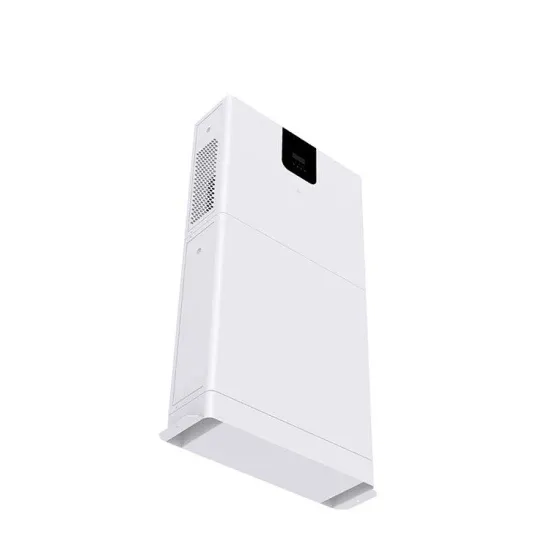
How big is the solar power station of a 1MW base station container energy storage station
A 100-square-foot installation area is required for a 1 kW solar system. . What is pknergy 1MWh battery energy solar system? PKNERGY 1MWh Battery Energy Solar System is a highly integrated,large-scale all-in-one container energy storage system. Housed within a 20ft container, it includes key components such as energy storage batteries, BMS, PCS, cooling systems, and fire protection systems. It is an ideal solution for. . 1 MWh and construction scale of 1 MW/1 MWh. 04 MWh lithium iron phosphate battery pack carried by a 20-foot prefabricated container with dimensions of 6058 mm x 2438 mm x 2896 mm. Each energy storage unit has a capacity of 1044.
[PDF Version]
 MENU