
-
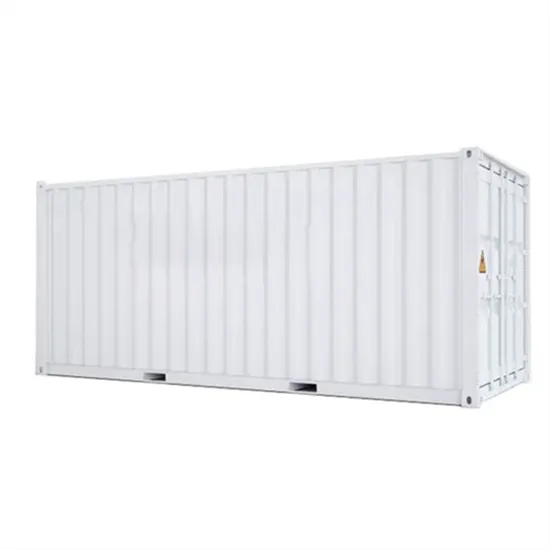
30m solar container communication station inverter grid-connected solar container battery capacity
Yes, Higher Wire offers customizable options including panel size, battery capacity, add-on features like backup generators, and climate control systems. This allows users to tailor the system to their specific energy needs and environmental conditions. . Grid-connected inverter control techniques Although the main function of the grid-connected inverter (GCI) in a PV system is to ensure an efficient DC-AC energy conversion, it must also allow other functions useful to limit the effects of the unpredictable and stochastic nature of the PV source. Designed for reliability and ease of deployment,the SolarContainer is ideal for powering critical infrastructure,remote. . The integrated containerized photovoltaic inverter station centralizes the key equipment required for grid-connected solar power systems — including AC/DC distribution, inverters, monitoring, and communication units — all housed within a specially designed, sealed container. The Gourou Banda Solar Power Station is a 50 MW (67,000 hp) under construction in. Our systems can be deployed quickly and. . Go big with our modular design for easy additional solar power capacity. Lower your environmental impact and achieve sustainability objectives by using clean,renewable solar. .
[PDF Version]
-
Lithium battery energy storage monomer capacity
Scientists have upgraded lithium-ion battery storage using a rust anode that reaches maximum capacity after 300 charge-discharge cycles. . Battery storage in the power sector was the fastest growing energy technology in 2023 that was commercially available, with deployment more than doubling year-on-year. Strong growth occurred for utility-scale battery projects, behind-the-meter batteries, mini-grids and solar home systems for. . Scientists have built a new a lithium-ion (Li-ion) battery anode that incorporates iron oxide, the main component of rust, into microscopic, porous hollow carbon structures, and can improve battery performance. Researchers at Germany's Saarland University and Austria's University of Salzburg have. . The monomers of battery energy storage devices include several critical components: 1. It represents lithium-ion batteries (LIBs)—primarily those with nickel manganese cobalt (NMC) and lithium iron phosphate (LFP) chemistries—only at this time, with LFP becoming the primary. .
[PDF Version]
-
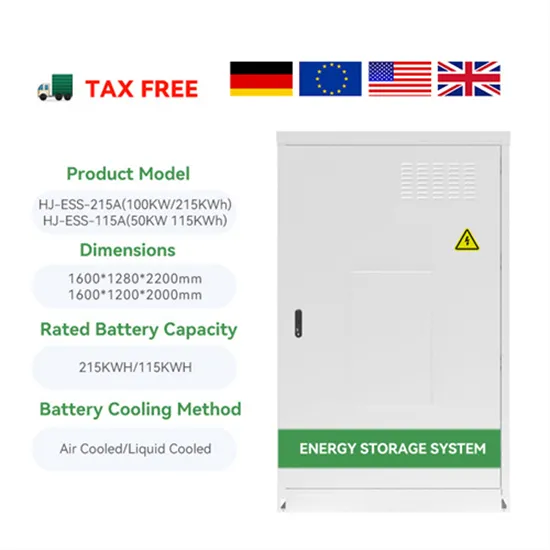
Sodium ion solar container battery station price
As of early 2026, the global average installed price for high quality off grid systems has stabilized between $350 and $550 per kilowatt hour. . 80% in 35 Minutes: With 1,900 W AC + solar fast charging, you're ready to go in the time it takes to pack a bag. Everyday Devices Covered: 1,500 W for daily essentials like laptops, fridges, and fans, with 2,250 W lifting power for high-demand appliances. All-Around Safety: Sodium-ion chemistry. . High efficiency power up to 400/500/600/700W Half Cell/Bifacial Solar PV Modules; All certificates listed with more than 30years life and warranty: PID Resistant,High salt and ammonia resistance. 6 kWh and 10 kWh Sodium Battery Pack with integrated Battery Management System (BMS) to deliver consistent energy supply and independence, even during grid outages. To put this in perspective, just four years ago in. . Clean electricity generation paired with the first grid-level sodium battery energy storage system can bring costs down to just $0. Daniel Zlatev, Published 05/13/2024 🇫🇷 🇪🇸. The. . But what's driving their sudden price competitiveness? Let's unpack the numbers behind the $45-$65/kWh price range that's making engineers rethink century-old energy paradigms. Lithium carbonate prices have swung wildly from $6,000/ton in 2020 to $78,000/ton during the 2023 supply crunch.
[PDF Version]
-
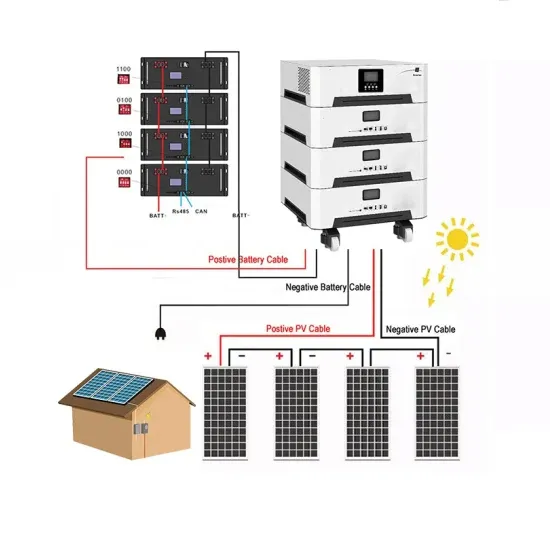
Silver ion battery solar container outdoor power
The container holds 20 solar panels, with capacity to integrate an additional 40-panel ground or roof array for a total of up to 60 panels (24,000W DC). 2 kWh lithium battery banks, and automatically orchestrates power flow between solar . . RPS supplies the shipping container, solar, inverter, GEL or LiFePo battery bank, panel mounting, fully framed windows, insulation, door, exterior + interior paint, flooring, overhead lighting, mini-split + more customizations! RPS can customize the Barebones and Move-In Ready options to any design. . Off-Grid Solar Containers transforms 20-foot shipping containers into complete, turnkey electricity generators—engineered for the places where conventional infrastructure can't reach, and built for those who refuse to compromise on reliability. Born from years of solar expertise at Danger Electric. . A mobile solar container is a self-contained, transportable solar power unit built inside a standard shipping container. With the global push for off-grid solutions in agriculture, construction, disaster relief, and remote infrastructure, the demand for. .
[PDF Version]
-
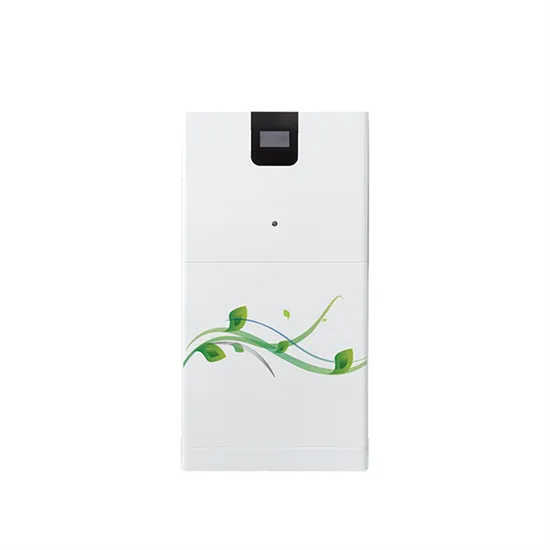
The role of high voltage communication in energy storage battery cabinets
By operating at higher voltages, a Battery Cabinet can deliver faster charge and discharge rates while maintaining system stability. This makes high-voltage solutions ideal for peak shaving, load shifting, emergency backup, and renewable energy integration. These advanced units enhance the efficiency of large-scale energy installations and enable seamless integration with renewable sources. . High voltage battery storage systems represent a pivotal advancement in energy management and distribution.
[PDF Version]
-
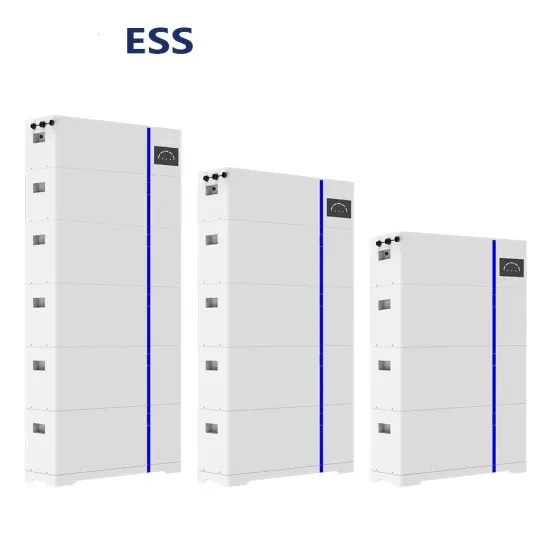
Fast charging energy storage battery zinc ion
In a stunning reversal of a foundational principle of electrochemistry, researchers at the Georgia Institute of Technolog y have discovered that fast charging, long believed to be a destructive force that degrades batteries, can actually extend the life and enhance the durability. . In a stunning reversal of a foundational principle of electrochemistry, researchers at the Georgia Institute of Technolog y have discovered that fast charging, long believed to be a destructive force that degrades batteries, can actually extend the life and enhance the durability. . Zinc-ion batteries have been on scientists' radar for a while. Zinc is cheaper, safer, and more abundant than lithium, but one major flaw has held zinc-ion batteries back: dendrites. The primary obstacle for zinc-ion batteries has been dendrite growth — sharp. . Zinc-ion batteries are abundant, low cost, nonflammable, and environmentally safer than lithium-ion. This discovery opens the possibility of longer-lasting, cheaper batteries for consumer use, and supporting grids too. Zinc-ion batteries use zinc ions instead of lithium ions, making. . However, innovative research from a team at Georgia Tech, led by Professor Hailong Chen, has flipped this narrative on its head. Why choose zinc over lithium?.
[PDF Version]
 MENU