
-
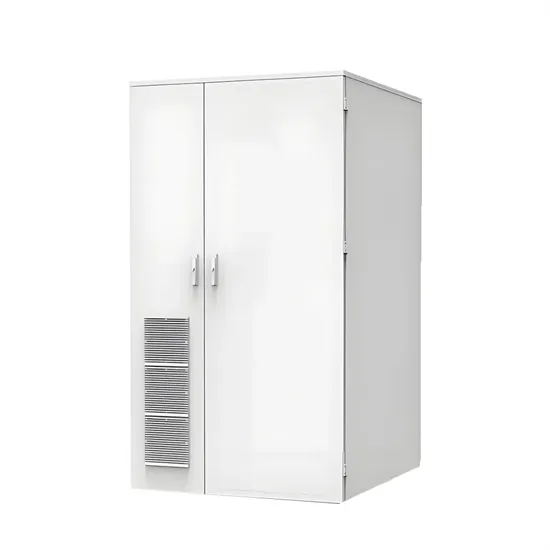
Will the solar container lithium battery BMS be upgraded
Updating your BMS firmware should be done carefully by following the manufacturer's instructions. . BSLBATT believes that lithium-ion battery storage solutions are the core pillar of energy transition, so it never stops exploring in lithium-ion battery technology, and this upgrade to BMS is significant for products in residential and commercial and industrial energy storage. com/battery-management-systems/smart-bms-12-200 for a lithium upgrade instead of a DC to DC charger? You'd keep the ACR between starter and thruster batteries (both stay AGM) and isolate the lithium house batteries on the. . Large-scale solar container battery mana mizing performance to ensure safe operation and maximum lifespan. This prevents overcurrent situations that c. . The trio of cell balancing, the Battery Management System (BMS), and regular firmware updates work together to protect your investment. Understanding how they function is crucial for anyone aiming for energy independence. You. . Battery Management Systems (BMS) are vital components for solar storage, streamlining the charge and discharge of the solar battery bank while monitoring important parameters like voltage, temperature, and state of charge. Well, imagine this: A 500kWh storage container in Arizona caught fire last month because its thermal sensors. .
[PDF Version]
-
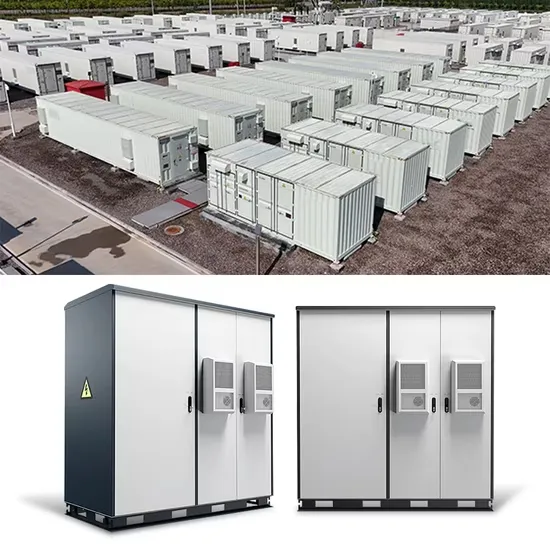
Solar container lithium battery BMS introduction
The BMS is the brain of the battery pack in a BESS, responsible for monitoring and protecting individual cells to prevent damage and extend lifespan. It measures critical parameters such as voltage, current, and temperature, while calculating the State of Charge (SOC) and State of. . Large-scale solar container battery mana mizing performance to ensure safe operation and maximum lifespan. Understanding how BMS technology wor s is essential for anyone involved with li d discharge current limits based on real-time battery conditions. This prevents overcurrent situations that c. . What is battery management system (BMS)? The motivation of this paper is to develop a battery management system (BMS) to monitor and control the temperature, state of charge (SOC) and state of health (SOH) et al. As global demand for sustainable energy rises, understanding the key subsystems within BESS becomes crucial. Its primary. . s is ever more increasing. In parallel, driven by the set global climate goals, the transformation of the mobility sector away from combustion engines to battery electric solutions such as the Battery-Electric-Vehicle is the key driver for the rap dly rising battery demand. The field of application. .
[PDF Version]
-
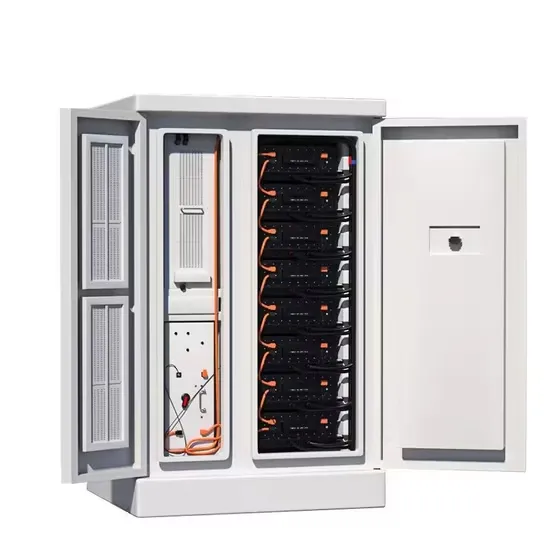
The BMS component of Huawei s lithium battery
Huawei BMS consists of BCU (Battery Control Unit) and BMU (battery monitor unit). BCU is responsible for charge & discharge management, SOX estimation, fault protection, and communication with the vehicle system. BMU is in charge of battery voltage and temperature sampling and. . A Battery Management System (BMS) is the brain and safety layer of any lithium battery pack. It monitors cells, protects against abuse, balances differences between cells, estimates state of charge/health, and communicates with the rest of the device or vehicle. IMPORTANT: This component is sold separately for replacement or expansion of Huawei LUNA2000 batteries but is not a battery in itself. Whether you're an engineer designing an EV or a homeowner with solar storage, understanding BMS components unlocks safer, longer-lasting. . A BMS for lithium-ion batteries acts as the "brain" of the battery pack, continuously monitoring, protecting, and optimizing performance to ensure safe operation and maximum lifespan.
[PDF Version]
-
Mauritanian BMS lithium battery manufacturer
In this article, we'll explore the top 10 players in Mauritania's lithium-ion battery recycling equipment market, highlighting their key offerings, unique strengths, and commitment to sustainable practices. . Leclanché is a Swiss Lithium-ion cells and energy storage solutions company founded in Leclanché, with its headquarters located in Yverdon-Les-Bains, Switzerland, specializes in the production of large-format lithium-ion cells, utilizing licensed ceramic separator technology and a strong focus on. . Are you curious about which lithium battery BMS manufacturers stand out in the industry? Understanding the top factories is crucial for making informed choices. Discovering the best options can lead to enhanced performance and reliability. From small-scale operations to large industrial plants, these suppliers offer a. . Also, please take a look at the list of 25 battery management system (bms) manufacturers and their company rankings. We monitor batteries for a number of utilities, telecom, and. .
[PDF Version]
-
The difference between Tajikistan lithium battery and lithium iron phosphate battery BMS
Summary: This article compares Tajikistan Khujand lithium batteries with lithium iron phosphate (LiFePO4) battery management systems (BMS), exploring their applications in renewable energy, industrial storage, and transportation. . Key takeaway: LiFePO4 delivers a much longer lifespan and superior safety, while LiPo offers ~40% higher energy density for compact designs. Different Chemical Makeups First and foremost, obviously, you can easily tell by reading their names that these two types of. . Among the many battery options on the market today, three stand out: lithium iron phosphate (LiFePO4), lithium ion (Li-Ion) and lithium polymer (Li-Po). Each type of battery has unique characteristics that make it suitable for specific applications, with different trade-offs between performance. . LiFePO4 and Lithium-ion batteries each offer unique sets of advantages and limitations that cater to distinct applications and user preferences. From energy density to safety, cycle life to cost, delving into the intricacies of their differences is crucial for making informed decisions. What Is A LiFePO4 Battery?. LFP stands for Lithium Iron Phosphate (LiFePO₄). Because of these traits, LFP batteries are increasingly used in solar energy storage. .
[PDF Version]
-
Bms solar energy storage cabinet lithium battery balancing
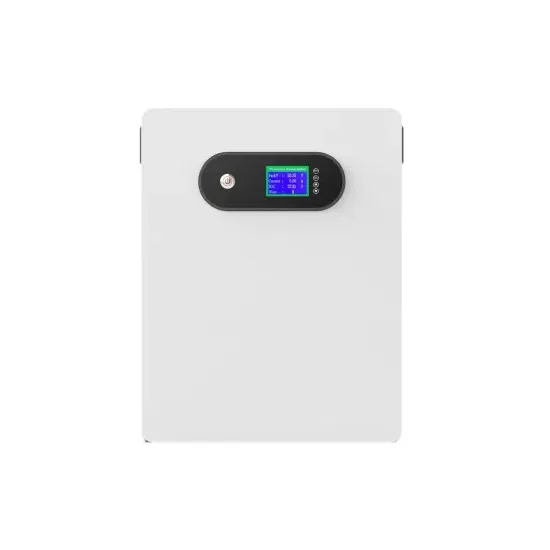
Start by verifying core BMS functionalities: real-time voltage/temperature monitoring, charge-discharge control, cell balancing, and multi-layer safety protocols. Compatibility remains paramount – lithium-ion, LFP, and lead-acid batteries each require specific. . 1. Yet, the true key to longevity, safety, and efficiency lies deeper, within the intelligent systems that manage the battery's daily operations. The trio of cell balancing, the Battery. . The rapid adoption of residential renewable energy systems has made Battery Management Systems (BMS) critical for safe and efficient power storage. With over 40% of home storage failures linked to inadequate BMS units, choosing the right system demands strategic evaluation. The need for sophisticated monitoring and management grows as battery technologies progress, especially with the increasing use of lithium-based chemistries. It protects against thermal runaway, prolongs battery life, ensures optimal charge-discharge cycles, and enables smooth communication with the Power Conversion. .
[PDF Version]
 MENU