
-
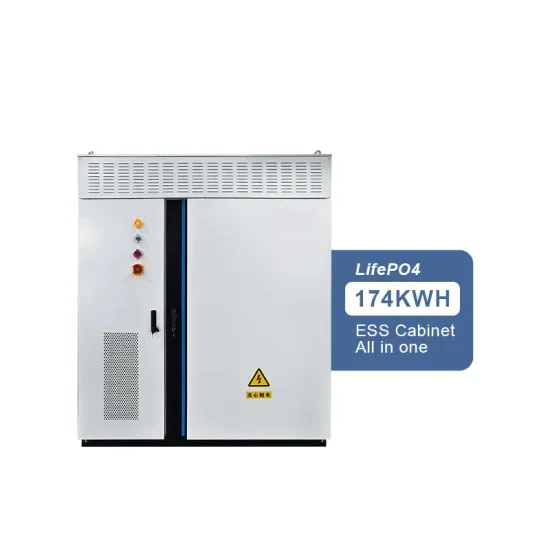
Energy storage equipment solar energy solar container lithium battery 40 degrees
The energy storage system is essentially a straightforward plug-and-play system which consists of a lithium LiFePO4 battery pack, a lithium solar charge controller, and an inverter for the voltage requested. Price for 1MWH Storage Bank is $774,800 each plus freight. . The Containerized Battery Energy Storage Solution (BESS) is an advanced Lithium Iron storage unit built into a customised 20ft or 40ft container. The unit is designed to be fully scalable to meet your storage requirements. Storage size for a containerised solution can range from 500 kWh up to 6. To discuss. . BESS containers are more than just energy storage solutions, they are integral components for efficient, reliable, and sustainable energy management. The system can be used to store electrical energy for commercial, industrial, or grid-scale applications.
[PDF Version]
-
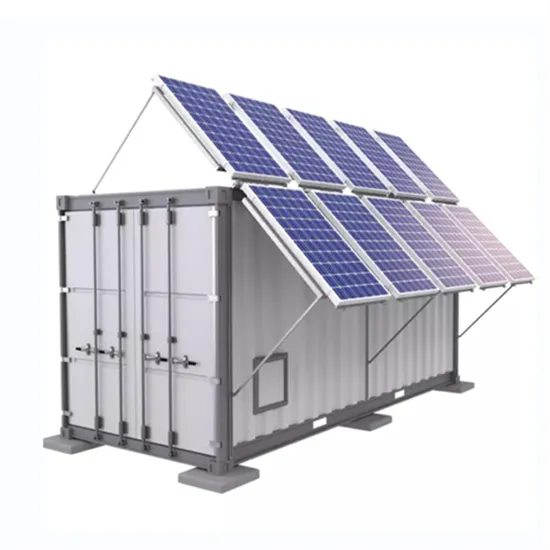
40 feet outdoor energy storage cabinet weight
The capacity of a 40-foot energy storage cabinet can vary greatly, influenced by factors such as storage technology and intended application. . C&I energy storage 40Ft Cabinet BESS CX-CI004 is an all-in-one 5MWh lithium battery storage cabinet system specifically developed for demand regulation, peak shaving, industrial and commercial energy storage, etc. It typically can accommodate between 1 to 4 megawatt-hours (MWh) of energy storage, depending on the technology used; 2. The size is. . Usable Battery En rcurrent, battery temperature, cabinet swi mperatures above 104 °F (40 °C) and below 32 °F (0 . for improving the reliability and profitability of your microgrid. It stores electricity from any distributed power system – such as gense s, wind turbines, or solar panels – and deliver th existing power plants he storage container can be use as a black start unit due A multilevel safety concept. . This model SES-1000/2000K- 40ft Container BESS is a large-scale energy storage solution housed in a standard 40-foot shipping container. It is equipped with battery room, transformer. . What is the maximum weight of a 40 ft container? Max. gross is also referred to as M.
[PDF Version]
-
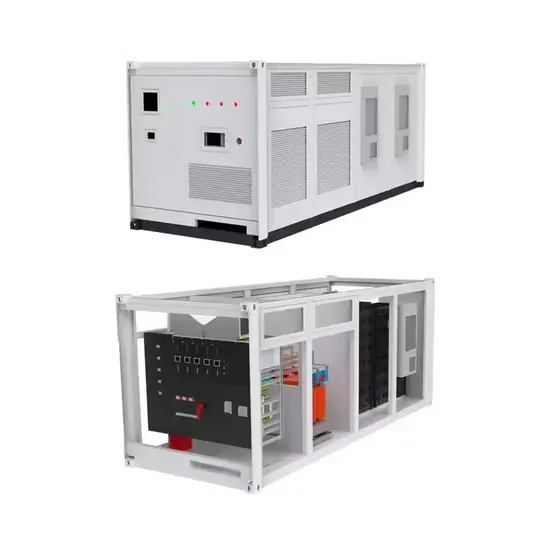
Spain Barcelona energy storage solar container lithium battery bms price
In 2025, the typical cost of a commercial lithium battery energy storage system, which includes the battery, battery management system (BMS), inverter (PCS), and installation, is in the following range: $280 - $580 per kWh (installed cost), though of course this will vary from region. . In 2025, the typical cost of a commercial lithium battery energy storage system, which includes the battery, battery management system (BMS), inverter (PCS), and installation, is in the following range: $280 - $580 per kWh (installed cost), though of course this will vary from region. . As we've explored, the current costs range from €250 to €400 per kWh, with a clear downward trajectory expected in the coming years. 28/kWh in 2024, businesses need low-cost energy storage to maximize ROI. Meanwhile. . Currently, Spain's storage market is mainly composed of small-scale batteries co-located with solar PV.
[PDF Version]
-
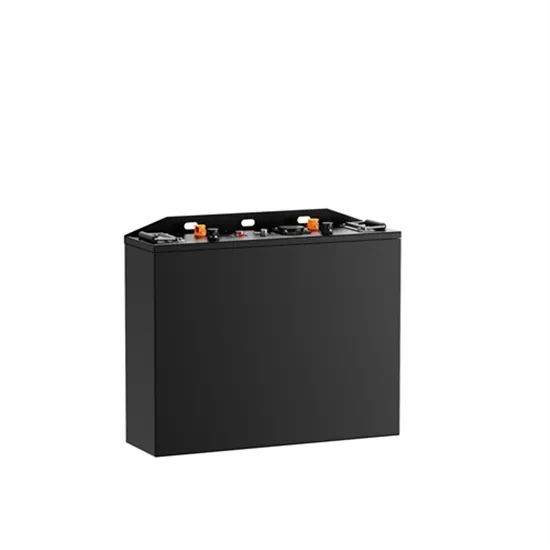
Xinhe Energy Storage Battery Container Price
By 2024, a 20-foot DC container for BESS in the U. is expected to decline significantly by 18% to $148/kWh from $180/kWh in 2023. This is because of many factors that range from automation to a change in global market. . Our Battery Container Price offers exceptional quality within the Energy Storage Container category. To find trustworthy energy storage container suppliers in China, conduct thorough research on online directories, attend industry trade shows, and request client referrals. It's advisable to visit. . Ember provides the latest capex and Levelised Cost of Storage (LCOS) for large, long-duration utility-scale Battery Energy Storage Systems (BESS) across global markets outside China and the US, based on recent auction results and expert interviews. All-in BESS projects now cost just $125/kWh as. . This article will focus on the top 10 industrial and commercial energy storage manufacturers in China including BYD, JD Energy, Great Power, SERMATEC, NR Electric, HOENERGY, Robestec, AlphaESS, TMR ENERGY, Potis Edge, explore how they stand out in the fierce market competition, and how they lead. . Ever wondered how China powers its solar farms during midnight or keeps wind turbines humming when the breeze takes a coffee break? Enter energy storage containers – the unsung heroes of renewable energy. If you"re going apacity storage batteries into a container. from 500kwh, 600kwh, 700kwh to 1000kwh. All our systems use the same. .
[PDF Version]
-
Magadan energy storage solar container lithium battery recommended source
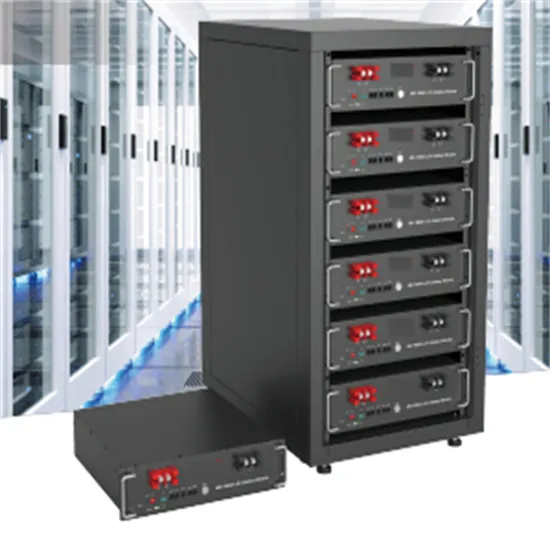
Summary: Explore how Magadan's growing battery energy storage capacity addresses energy challenges in remote areas. Learn about industry trends, key applications, and data-driven insights into this critical sector. . The Magadan lithium battery energy storage project represents a groundbreaking initiative in Russia"s Far East, designed to stabilize regional grids and support renewable integration. Imagine. . By combining cold-weather resilience with smart energy management, this project sets a new benchmark for remote power solutions – one that"s already influencing storage designs from Siberia Summary: Explore how the Magadan Solar Energy Storage Project addresses energy reliability challenges in. . 1 375mw energy storage system in Panama Harnessing abundant solar resources, an eco-resort located off the coast of Panama has chosen advanced lead batteries, paired with a battery SunContainer Innovations - As energy demands rise across Magadan""s remote communities, households are turning to. . The Containerized energy storage system refers to large lithium energy storage systems installed in sturdy,portable shipping containers,which usually range from 5ft,10ft,20ft,and 40ft,and mainly focus on 50Kwh to 10Mwh.
[PDF Version]
-
The difference between solar container lithium battery energy storage and power generation
To put it simply, a solar battery is a power generation device, which itself cannot directly store solar energy, while a lithium battery is a type of storage battery that can continuously store electricity for users to use. Understanding their differences, connections, and overlapping technologies is essential for manufacturers, integrators, and energy professionals. A battery energy storage system (BESS) is an electrochemical device that charges (or collects energy) from the grid or a power plant and then discharges that energy at a later time to. . This article will explain the real difference between a battery and a storage system and decide when to use each, with verified data on the global ESS growth and the technologies that shape solar integration. Global deployments of BESS in the first half of 2025 have surged by 54%, reaching. .
[PDF Version]
 MENU