
-
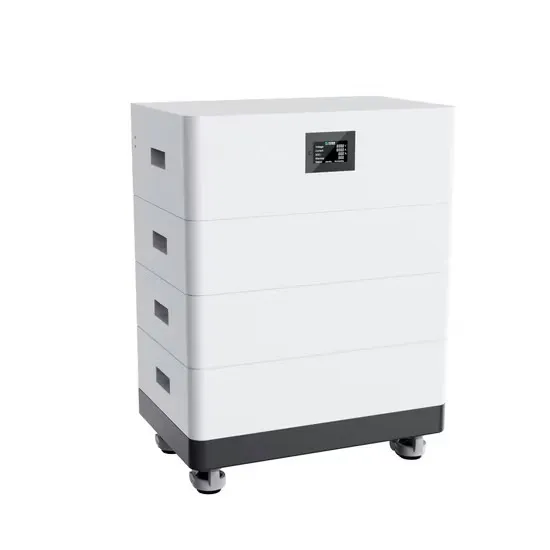
How much does Austrian energy storage solar container lithium battery cost
A 1MWh system: Costs between €695,000 and €850,000. 5 million to €4 million, benefiting from economies of scale. Calculating initial costs involves assessing energy capacity, power requirements, and site-specific conditions. Start by determining the key parameters. . Prices typically range from $100,000 to $800,000+, depending on these elements: Did you know? Containerized systems now account for 40% of commercial energy storage deployments globally (Wood Mackenzie, 2023). Different sectors have unique requirements: Pairing with photovoltaic systems requires. . Battery Technology: Lithium-ion batteries dominate 78% of installations, averaging €450–€700 per kWh. Grid Fees & Incentives: Austria"s Renewable Expansion Act offers subsidies covering up to 30% of installation costs. According to data made available by Wood Mackenzie's Q1 2025 Energy Storage Report, the following is the range of price for PV energy storage containers in the market:. . In this work we describe the development of cost and performance projections for utility-scale lithium-ion battery systems, with a focus on 4-hour duration systems. The projections are developed from an analysis of recent publications that include utility-scale storage costs.
[PDF Version]
-
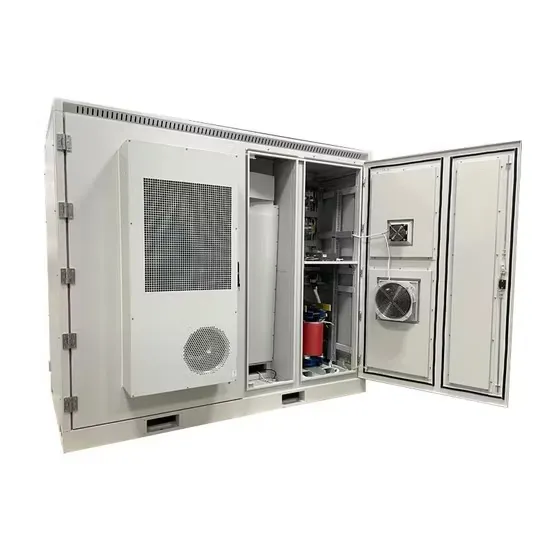
Industrial energy storage solar container lithium battery application
By integrating solar battery storage, businesses can store excess solar energy generated during the day and use it during high-demand hours, significantly reducing the reliance on grid power. This can help cut peak demand charges by 20%-30%, leading to substantial savings. For example, a. . Industrial energy storage systems differ from residential and commercial solutions in three key aspects: scale, integration complexity, and performance demands. While residential systems rarely exceed 50 kW, IESS typically ranges from hundreds of kilowatts to multi-megawatt capacities. Key. . For commercial, industrial, and utility-scale projects, large-scale lithium-ion battery storage is more than just a backup solution—it's a critical asset for energy optimization, grid balancing, and sustainability goals. What Makes Large-Scale Lithium-ion Storage Different? While smaller battery. . Pulsar Industries delivers cutting-edge Containerized Battery Energy Storage Systems (BESS) designed to store renewable energy efficiently, stabilize grid performance, and ensure uninterrupted power for commercial, industrial, and utility-scale applications. They From 60 kWh to 2 MWh, whether it's for large-scale industrial operations or small commercial settings, Lithium Valley's energy storage solutions offer a. .
[PDF Version]
-
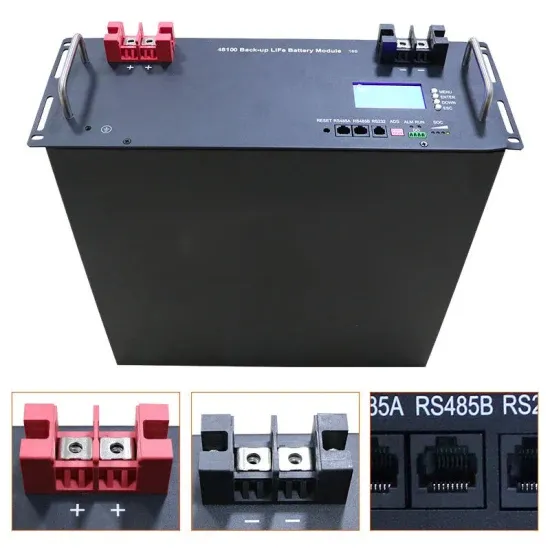
Solar container lithium battery PACK factory profit
With a lithium battery storage container, you can draw power from the battery during peak times instead of pulling it all from the grid. This lowers your peak demand and saves money. If your normal load is 500 kW, but at 10 am it spikes to 800 kW, the battery can supply. . Lithium-ion battery energy storage system (BESS) has rapidly developed and widely applied due to its high energy density and high flexibility. However, the frequent occurrence of fire and explosion accidents has raised significant concerns about the safety of these systems. According to IMARC Group estimates, the market is expected to reach USD 155. 16 Billion by 2034, exhibiting a CAGR of 11. This feasibility report covers a comprehensive market overview to. . Raw Material Required: The primary raw materials utilized in the Battery Energy Storage System (BESS) manufacturing plant include as lithium-ion battery cells, battery modules and battery management system, power Powered by Poland Solar Power & Battery Systems Page 3/11 conversion system, cooling. . By 2026, the Lithium Iron Phosphate (LFP) supply chain has reached a peak of maturity. Our manufacturer now offer systems with cycle lives exceeding 6,000 cycles at 25 degrees Celsius.
[PDF Version]
-
Medical Equipment solar container lithium battery BMS
This paper presents the design and implementation of a Secure Battery Management System (BMS) with integrated safety features for lithium-based batteries. IoT-enabled monitoring improves real-time state of charge (SoC) and state of health (SoH) data, enhancing patient safety. We engineer our solutions for seamless integration across various industries, including robotics, automotive, and medical devices. Consider portable ultrasound devices, where BMS acts as a vigilant guardian. It prolongs the battery pack's total life, maximizes performance, and assures safety.
[PDF Version]
-
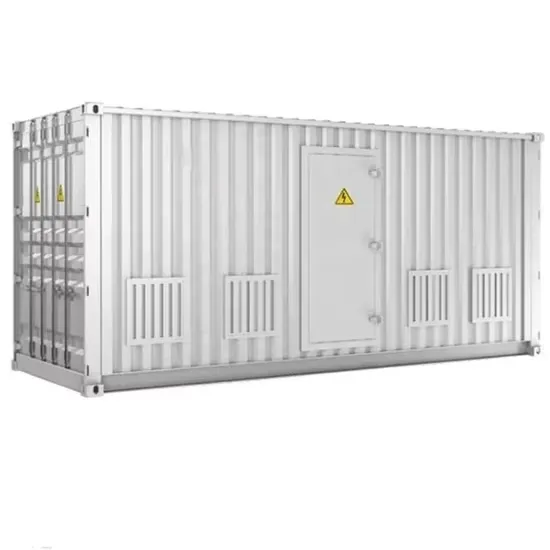
Angola solar energy storage cabinet lithium battery energy storage power supply price
Here's a realistic look at the costs you can expect in 2025: The Heart: 10kWh LiFePO4 Battery: Expect to pay between €4,200 and €5,800. Popular and reliable choices include the Huawei LUNA2000 and Tesla Powerwall 3. The Inverter: A crucial component costing between €1,500 and. . Like buying a car, BESS pricing depends on your configuration: Did you know? Solar-integrated BESS systems can reduce long-term costs by 30-40% through renewable energy optimization. A local hospital installed a 50 kWh lithium-ion BESS in 2023. Results: Why Choose EK SOLAR for. . Such a pricing scheme provides users with incentives to invest in behind-the-meter energy storage and to shift peak load towards low-price intervals. The most common type of energy storage in the power grid is pumped hydropower. Next-generation thermal management systems maintain optimal. . Let's cut to the chase: battery energy storage cabinet costs in 2025 range from $25,000 to $200,000+ – but why the massive spread? Whether you're powering a factory or stabilizing a solar farm, understanding these costs is like knowing the secret recipe to your grandma's famous pie. Let's unpack this solar bonanza: These aren't just numbers on a spreadsheet.
[PDF Version]
-
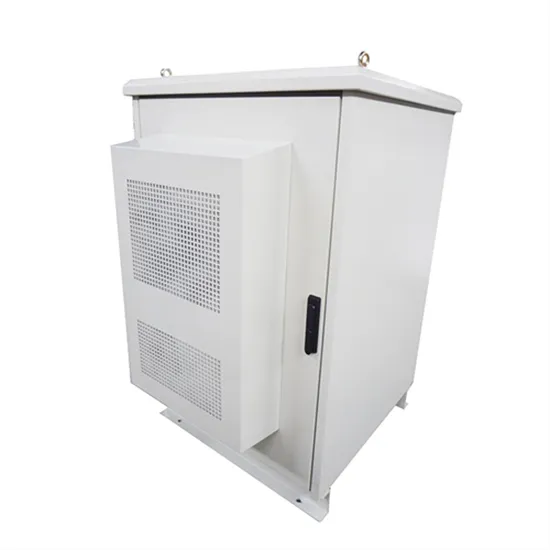
Tunisian solar container lithium battery source manufacturer
Our analysis of 12 local providers identifies these top performers: Case Study: A Sousse-based manufacturer reduced peak demand charges by 40% using hybrid storage systems combining lithium-ion and flow battery technologies. Local innovators are pioneering:. The ASSAD Group, a leader in the battery industry for over 80 years, stands out as a key player in Tunisia and Africa. Specializing in the production of lead-acid and lithium batteries, the group offers solutions tailored to a wide range of applications: starter batteries for light and heavy. . As Tunisia accelerates its renewable energy transition, local energy storage battery companies are emerging as critical players. Whether you're an. . LZY offers large,compact,transportable,and rapidly deployable solar storage containersfor reliable energy anywhere. This article explores the opportunities, challenges, and key trends shaping this dynamic sector. Our lithium battery and other. .
[PDF Version]
 MENU