
-
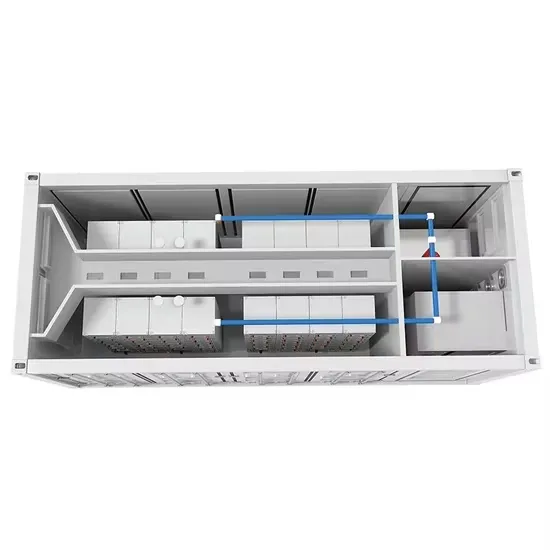
4kWh lithium battery with solar panels
A 4kW solar system with a battery typically costs between $10,000 and $15,000. The costs may vary based on location, quality of equipment, and individual installation circumstances. . Complete DIY solar kit - save thousands by buying direct! Experience true energy independence with our 4kW Off-Grid Solar System. Designed for those who value sustainability and self-reliance, this comprehensive solar solution includes 4kW high-efficiency solar panels, a robust 10. 2kWh lithium-ion. . [ Bifacial Solar Panel ] Bifacial solar panels using 12BB solar cells, backsheet using composite materials, transmittance up to 91. In addition, in order to utilize the higher efficiency of the solar dual panel, it is recommended to match the solar tracker bracket and. . A 4kW solar system with a battery can be a great option, but figuring out the price can feel overwhelming. This translates to approximately 300 to 750 kilowatt-hours (kWh) per month depending on your system choice, location and other factors. Choose from a selection of 4kW solar kits with string. . The Fox ESS 3. Built with advanced Lithium Iron Phosphate (LiFePO₄) chemistry, it ensures long cycle life, excellent thermal.
[PDF Version]
-
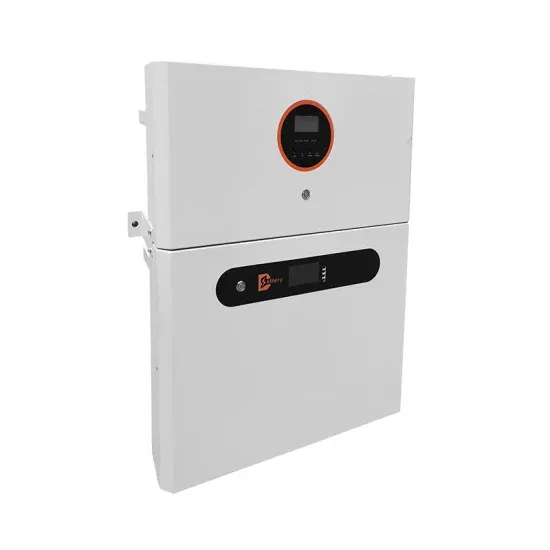
Somalia Grid solar container battery Project
The project involves the design, supply, installation, testing, and commissioning of a 10 MW solar photovoltaic (PV) plant integrated with a 20 MWh battery energy storage system (BESS) and a 33 kV evacuation line. The hybrid system will be developed on a 290-hectare site. . Somalia's Ministry of Energy and Water Resources has launched a significant tender for a large-scale hybrid solar and battery energy storage project in northeastern Somalia. The deadline for applications is Feb 10, 2025.
[PDF Version]
-
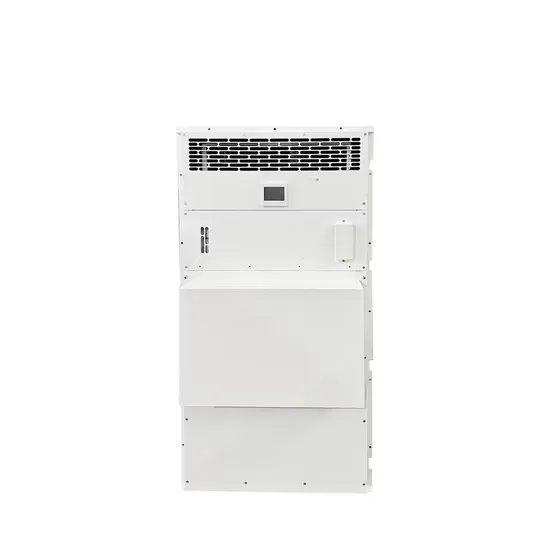
Typical example of solar communication base station inverter grid connection
A solar inverter synchronizes with the grid by matching the frequency, voltage, and phase of grid-associated electrical waveforms. It does this through a complex process of real-time adjustments, mapping the grid waveform, and timing the outputs to coincide perfectly with the grid. Once synchronization is achieved, the inverter closes its output. . An inverter is one of the most important pieces of equipment in a solar energy system. It's a device that converts direct current (DC) electricity, which is what a solar panel generates, to alternating current (AC) electricity, which the electrical grid uses. How to. . That's where the solar inverter steps in. While maximizing power transfer remains a top priority, utility grid stability is now widely acknowledged to benefit from several auxiliary. . Micro inverters can be connected to the wireless router through the built-in Wi-Fi module, string inverters and energy storage inverters can be connected to the wireless router through the external Wi-Fi data collector, the Wi-Fi module or data collector will transmit the data of the inverter. .
[PDF Version]
-
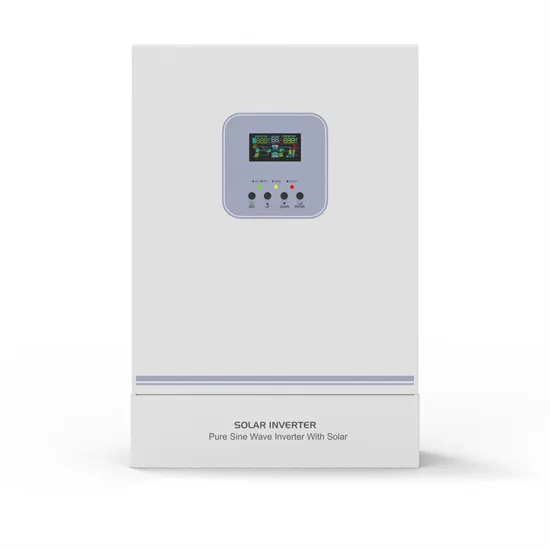
Photovoltaic containerized grid-connected solar energy storage vs power grid
discuss the challenges and issues of grid integration of solar PV systems,including the impact of PV integration on grid stability,power quality,and safety. . Energy Management System or EMS is responsible to provide seamless integration of DC coupled energy storage and solar. Typical DC-DC converter sizes range from 250kW to 525kW. Until 2017, NEC code also leaned towards ground PV system. . Ghiani et al. The research conducted by Almeida et al. Sometimes two is better than one. Coupling solar energy and storage technologies is one such case. In this article, we'll explore how a containerized battery energy storage system works, its. . Power systems worldwide are experiencing higher levels of variable renewable energy (VRE) as wind and solar power plants connect to the grid. This trend is expected to continue as costs for VRE resources decline and jurisdictions pursue more ambitious power sector transformation strategies with. .
[PDF Version]
-
Household solar container energy storage system connected to the grid
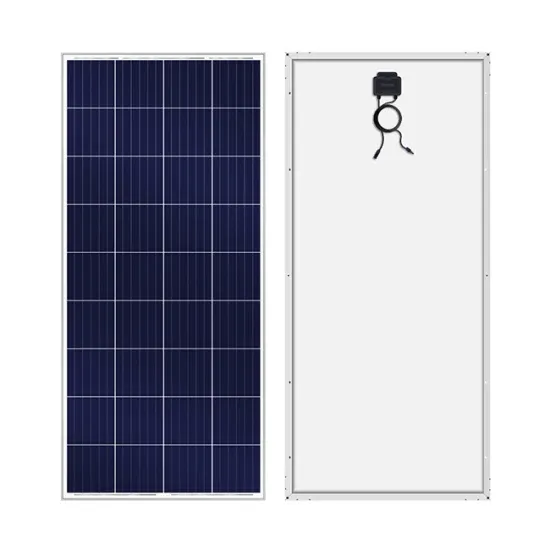
By integrating off-grid solar systems into container homes, homeowners can generate their own electricity, reducing or even eliminating their utility bills. Solar panels capture sunlight and convert it into electricity, which is then stored in batteries for use during cloudy days or. . Choosing to live off-grid in a container home isn't just an alternative lifestyle — it's a calculated decision of energy independence, sustainable living, and long-term economic strategy. While the modular nature of container architecture already offers mobility and affordability, achieving true. . A Containerized Energy-Storage System, or CESS, is an innovative energy storage solution packaged within a modular, transportable container. It serves as a rechargeable battery system capable of storing large amounts of energy generated from renewable sources like wind or solar power, as well as. . Whether paired with solar panels or connected to the grid, energy storage systems offer homeowners unprecedented control over their power consumption while providing crucial backup during outages. As you witness the gentle humming of these compact powerhouses, it becomes clear that innovation isn't always about creating the new but also. .
[PDF Version]
-
There are several military solar container communication station inverters connected to the grid in Lome
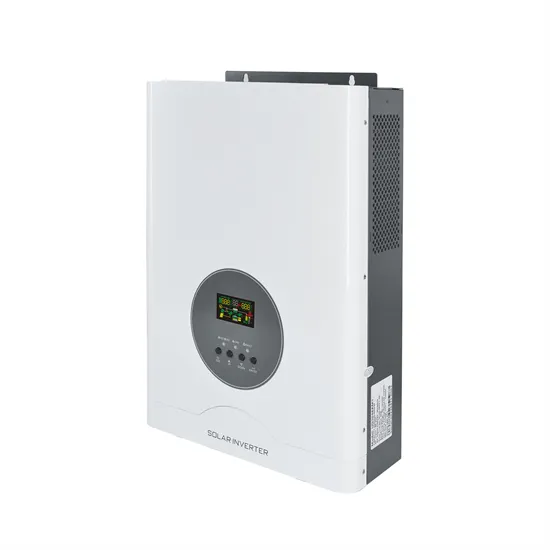
The integrated containerized photovoltaic inverter station centralizes the key equipment required for grid-connected solar power systems — including AC/DC distribution, inverters, monitoring, and communication units — all housed within a specially designed, sealed container. It. . according to Interconnection types is d scussed in EME 812 (11. Can grid-connected PV. . Solar inverters sync your solar system with the grid by matching voltage, frequency, and phase. Modern inverters monitor grid conditions in real-time for safe power export. What is solar inverter based generation? As more solar systems are added to the grid, more. . BoxPower's flagship SolarContainer is a fully integrated microgrid-in-a-box that combines solar PV, battery storage, and intelligent inverters, with optional backup generation. Can a containerized Solar. .
[PDF Version]
 MENU