
-
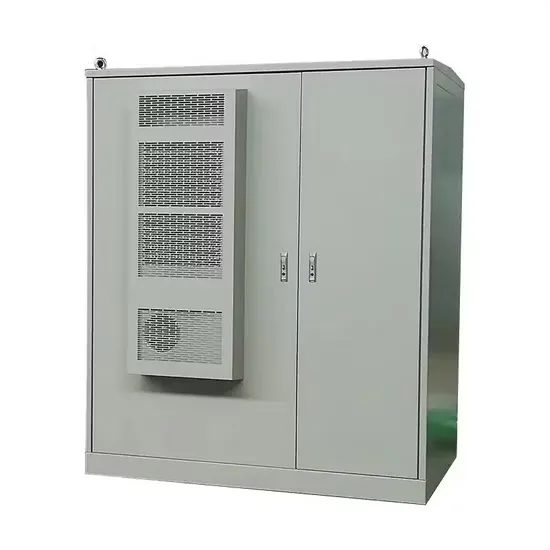
How much does a lithium battery pack cost in Rwanda
In 2025, real retail prices for 1 kWh-class LFP units commonly land around $0. 80/Wh depending on brand, features, and promos. Promo pricing can shift quickly. . Get the latest product trends and industry news straight to your inbox. Shop a wide range of Battery Packs from the best online marketplace at discounted prices. ✓End-To-End Delivery ✓Easy Payments & deliveries. . 6Wresearch actively monitors the Rwanda Lithium Ion Cell and Battery Pack Market and publishes its comprehensive annual report, highlighting emerging trends, growth drivers, revenue analysis, and forecast outlook. Our insights help businesses to make data-backed strategic decisions with ongoing. . Volza's Big Data technology analyzes 3. 5 billion+ import shipments to uncover verified buyers, trusted suppliers, and untapped global markets — helping importers and exporters find profitable opportunities before their competitors do.
[PDF Version]
-
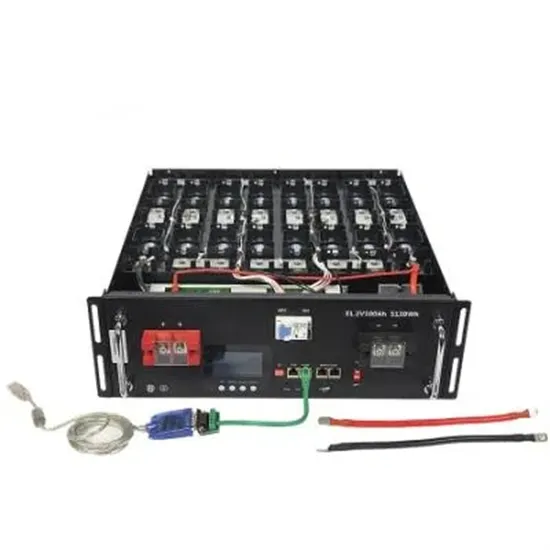
How many amperes does a solar container lithium battery pack usually discharge
The ideal amperage range for solar batteries typically fluctuates between 50 to 200 amps, but exact numbers can vary based on project requirements. Even if there is various technologies of batteries the principle of calculation of power, capacity, current and charge and. . The maximum discharging current of a lithium solar battery refers to the highest rate at which the battery can safely release its stored energy. Energy (Wh) = Power (W) × Time (hours) Example: Energy needed = 300 × 5 = 1,500 Wh Required Capacity (Ah) = Energy (Wh) ÷ Voltage (V) Example: Capacity = 1,500 ÷ 24 = 62. 5 Ah Not all stored. . The operating voltage range is the safe voltage window for a LiFePO4 battery pack, from 2. Staying within this range (10V–14. For instance, charging above 3. 7V can reduce a pack's capacity over time.
[PDF Version]
-
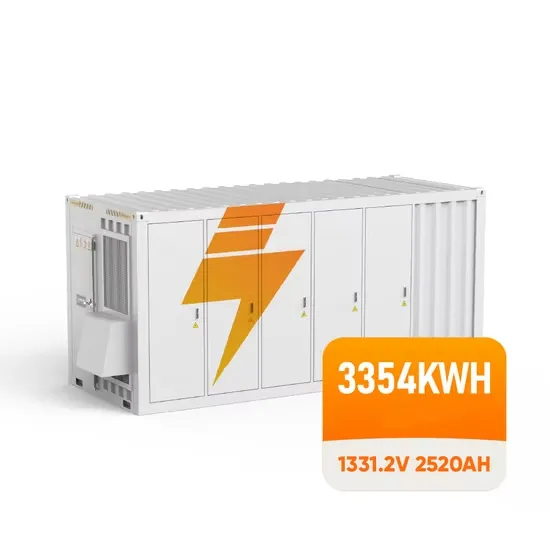
Lithium battery pack production in Western Europe
Announced production capacities in Europe amount to more than two terawatt hours per year by 2030. This exceeds the expected demand. In addition, recent years have shown that it is very unlikely that all announced projects will be realised. . battery market grew by 35% and 44%, respectively in 2023. A growth of 20% is projected for 2024, althoug the growth rate in Europe could slow down in particular. For this reason, Fraunhofer ISI has developed a. . EVs account for over 90 % of battery use, with lithium-ion batteries being the most used technology. The battery supply chain is highly concentrated both as regards the manufacturing of technologies and the materials on which these technologies rely.
[PDF Version]
-
Solar battery cabinet lithium battery pack high voltage fast charging
Intelligent power module activation, high conversion efficiency, low standby loss, and fast charging save energy and reduce investment. Flexible and Compatible Modular design allows easy expansion and maintenance; supports international universal charging standards for diverse. . Safety: LiFePO4 batteries are known for their excellent thermal and chemical stability. They are less prone to overheating and thermal runaway, making them a safer choice compared to some other lithium-ion chemistries. Long Cycle Life: LiFePO4 batteries have a long cycle life, which means they can. . Delivers over 6,000 cycles of reliable performance, featuring a a cabinet-style stackable structure that saves space, simplifies installation and maintenance, and allows easy capacity expansion to match evolving energy needs. With a flexible capacity range and modular architecture, it adapts effortlessly to evolving energy demands while promoting smarter, more. . GSL's HV power storage wall ESS utilizes the cutting-edge HESS battery system. Includes hold-down straps, lid with. The core components of these batteries include the anode, cathode, electrolyte, and separator. The anode is typically made from graphite, while the. .
[PDF Version]
-
Manganese phosphate lithium iron phosphate battery pack
A lithium manganese iron phosphate (LMFP) battery is a (LFP) that includes as a component. As of 2023, multiple companies are readying LMFP batteries for commercial use. Vendors claim that LMFP batteries can be competitive in cost with LFP, while achieving superior performance.
[PDF Version]
-
Is the lithium battery pack not very balanced and durable
Addressing these issues ensures the longevity of lithium battery packs and reduces hazards like thermal runaway. Proper cell balancing maintains uniform voltages, preventing out-of-balance batteries from jeopardizing reliability. Uneven cells in lithium batteries can. . Lithium battery cells imbalancing occurs when individual cells in a battery pack exhibit varying states of charge, capacity, or voltage. For instance: Variations in capacity and impedance create uneven cell currents. . Effective battery management is crucial for maximizing the performance and lifespan of lithium batteries. In multi-cell systems like 48V or 100kWh configurations, cells often drift out of sync due to slight variations on manufacturing, temperature, and internal resistance. Over time, this. . If individual cells within the battery pack have different internal resistances or different overall capacities or have never been top (or bottom, usually top for solar applications) balanced or weren't of the same State of charge when built then they can have differences in their balance/level of. . Battery balancing issues can sideline your battery asset for weeks and keep you from reaching nameplate capacity daily, costing you time, money, and efficiency.
[PDF Version]
 MENU