
-
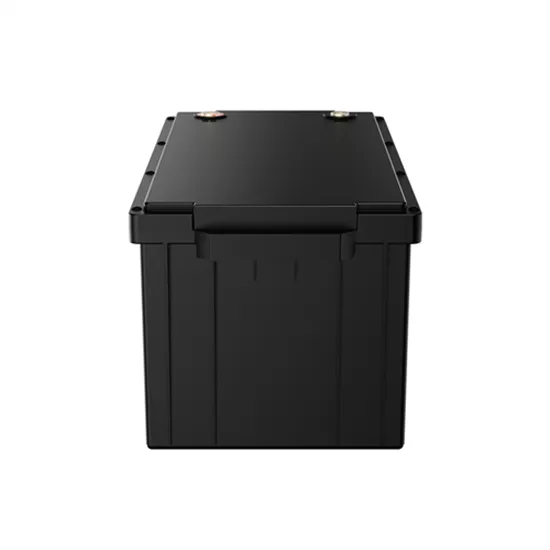
How big a battery should I use for a 60v 20ah inverter
- Rule of Thumb: The inverter's rated power (kW) should align with the battery's capacity (kWh). - Oversizing the battery can lead to underutilization, while undersizing may limit performance. First, list all devices you plan to power. For example: Add their wattages to determine the. . Ensure your inverter and battery are properly matched by checking voltage, current draw, and required battery capacity. Formula: Battery Capacity (Ah) = (Inverter Power × Runtime) ÷ (Voltage × Efficiency). Always use batteries rated for. . Pairing a right size capacity battery for an inverter can be a bit confusing for most the beginners So I have made it easy for you, use the calculator below to calculate the battery size for 200 watt, 300 watt, 500 watt, 1000 watt, 2000 watt, 3000 watt, 5000-watt inverter Failed to calculate field. By inputting critical parameters such as power consumption, inverter efficiency, and desired usage time, this calculator provides a precise battery size. . A simple rule of thumb is that your inverter capacity should meet or slightly exceed your peak load. For example, a home running an air conditioner (2. 5 kW), oven (2 kW), and kettle (2. Next, consider the solar. .
[PDF Version]
-

Lifepo4 battery charging current
To charge a LiFePO4 battery safely, use a LiFePO4-compatible CC/CV charger, confirm whether the pack is 12V/24V/48V, then set absorption near 3. 65V per cell and a reasonable current (often 0. There are two factors to consider: Let's explore the first. We can see it has the following specifications: As we can see, the. . This guide provides an in-depth analysis of the best charging practices for 12V, 24V, 36V, and 48V LiFePO4 batteries, leveraging insights from Redway Power, a leading authority in solar energy solutions. 5C of the battery's capacity (e. Charging voltage should stay between 14.
[PDF Version]
-
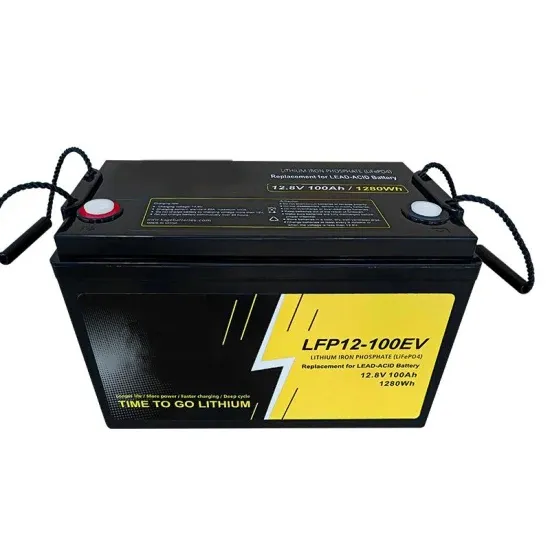
12 Is there any difference between the three 12V outdoor battery cabinets
Outdoor battery cabinets keep batteries safe from bad weather all year. Buying a good cabinet can lower repair costs by 40% and make equipment last 3-5 years longer. Picking the right size and materials helps with airflow and strength. This protection isn't just about convenience—it's about ensuring reliable performance when it matters most. ground and black for power Specs: Overall dimensions: 10-5/16" long x 4-3/16" wide x 1-13/16" deep Mounting hole diameter: 3/16" Voltage: 12V DC Power draw at 12. 6 amps Light Energy-efficient LEDs in this dome light are. . In this article, I'll explore the incredible versatility and convenience these battery boxes offer, shedding light on how they can transform not just outdoor experiences, but also everyday life. The EPIC series battery cabinet offers a NEMA 3R and NEMA 1 modular design, with built in intelligence, will safely house any combination of batteries, chargers, DC distribution. . When it comes to keeping your outdoor space organized and safe, the right battery storage cabinet can make all the difference. You need a solution that protects against the elements while offering durability and security.
[PDF Version]
-
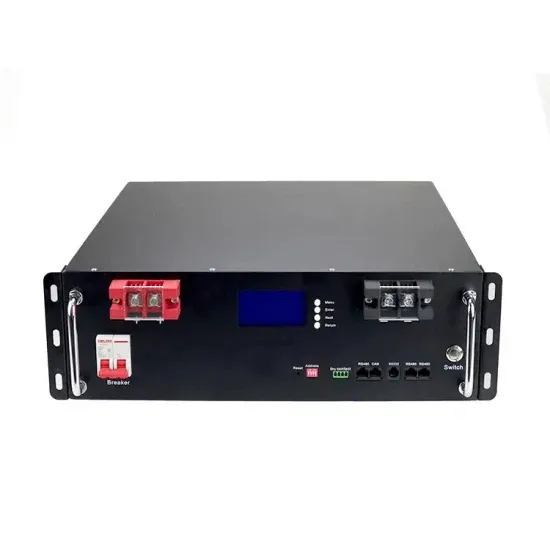
How to connect 2 12v solar panels to 12v battery
In this video, I break down three common parallel connection methods, their pros and cons, and explain the best way to do it for a balanced and long-lasting setup. 🛠️ Methods Covered: 🔹 Daisy Chaining (Using One Battery's Terminals as Main) – Simple, but causes imbalance. 🔹. . Connecting two solar panels to one battery with one charge controller is easy. Second, while connecting the batteries, it is critical to utilize short electrical wires that are the same length and have an appropriate cross-section.
[PDF Version]
-
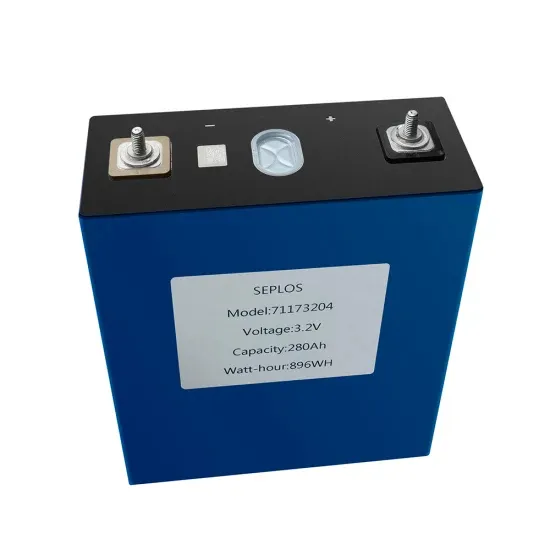
12v lead-acid battery and lithium battery energy storage
Lithium batteries are considered “better” than lead-acid batteries due to their significantly longer lifespan, higher energy density, faster charging capabilities, lighter weight, and better performance in extreme temperatures, although lead-acid batteries still have advantages. . Lithium batteries are considered “better” than lead-acid batteries due to their significantly longer lifespan, higher energy density, faster charging capabilities, lighter weight, and better performance in extreme temperatures, although lead-acid batteries still have advantages. . A quiet revolution is underway in energy storage: 12V lithium batteries are steadily replacing traditional 12V lead-acid batteries. What is driving this pivotal shift? The widespread adoption of the 12V electrical standard is key. As a universal power platform, 12V systems are the backbone for. . In this article, we'll compare two of the most common battery options paired with solar installations: lithium-ion and lead acid. Other than the different materials that compose each type of battery, their main difference comes in terms of cost and performance. Their design typically includes: Lithium Cobalt Oxide: Provides high energy output and is suitable for energy-dense applications.
[PDF Version]
-
Energy storage cabinet intelligent rechargeable battery price
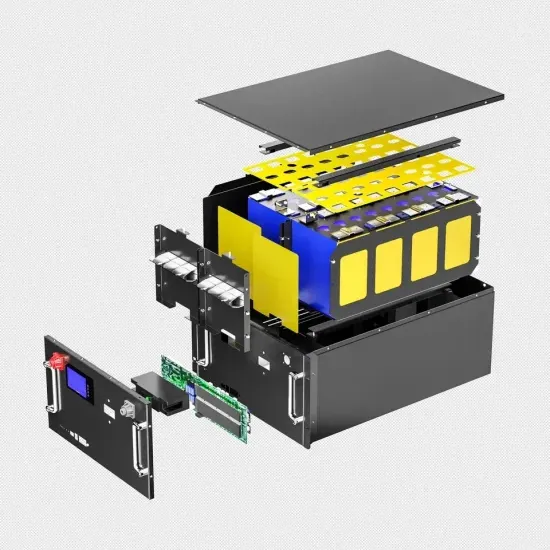
Wondering how much a modern energy storage charging cabinet costs? This comprehensive guide breaks down pricing factors, industry benchmarks, and emerging trends for commercial and industrial buyers. Whether you're planning a solar integration project or. . Protect your facility and your team with Securall's purpose-built Battery Charging Cabinets —engineered for the safe storage and charging of lithium-ion, lead-acid, and other rechargeable batteries. Securall understands the critical risks associated with modern energy storage. Think of them like smartphones: basic models get the job done, but premium features cost extra. Here's what drives the price tag: Capacity, Baby! A 5kWh system might cost ¥10,000, while a 60kWh beast hits ¥69,000 [1]. Bigger capacity. . The Cabinet offers flexible installation, built-in safety systems, intelligent control, and efficient operation. But which choices stand out in this evolving landscape? Let's find out.
[PDF Version]
 MENU