
-
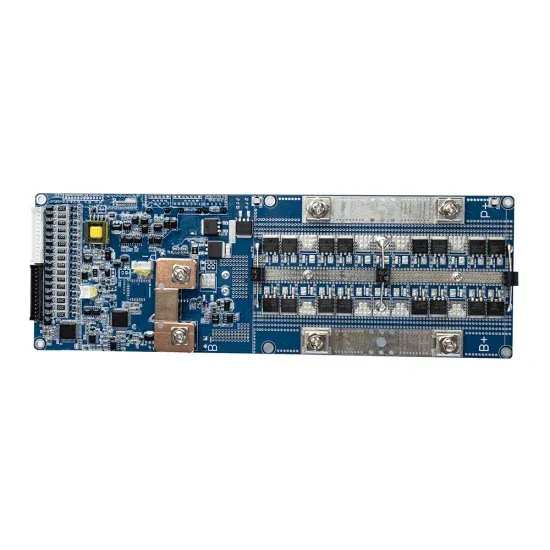
Solar battery cabinet lithium battery pack volts
The operating voltage range is the safe voltage window for a LiFePO4 battery pack, from 2. Staying within this range (10V–14. For instance, charging above 3. 7V can reduce a pack's. . The LiFePO4 battery pack is a game-changer for solar energy storage, electric vehicles (EVs), and portable devices, offering unmatched safety and longevity. This guide simplifies the 21 essential parameters of a LiFePO4 battery pack, with. . Battery cabinet that includes Lithium-ion batteries, Battery Management System (BMS), switchgear, power supply, and communication interface. Choosing the wrong battery size can lead to power shortages, wasted investment, or system instability. This guide explains battery. . Engineered primarily for solar energy storage applications, our modular rack battery systems are designed to meet the diverse energy demands scaling from residential to commercial and industrial requirements.
[PDF Version]
-
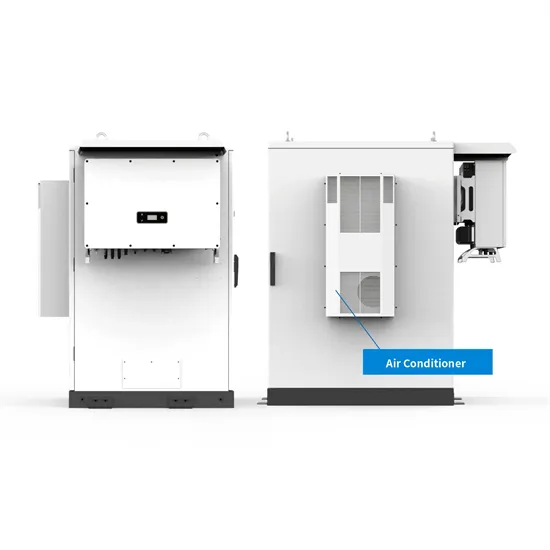
Solar container lithium battery solar container outdoor power composition
Folding PV arrays in the container — capture sunlight efficiently, designed for quick deployment and durable outdoor operation. Lithium battery modules and a battery management system for energy storage — support night-time power, peak shaving, and safe. . A solar power container is a self-contained, portable energy generation system housed within a standardized shipping container or custom enclosure. These turnkey solutions integrate solar panels, inverters, batteries, charge controllers, and monitoring systems into a single transportable unit that. . LZY-MSC1 Sliding Mobile Solar Container is a portable containerized solar power generation system, including highly efficient folding solar modules, advanced lithium battery storage and intelligent energy management. Lithium batteries are CATL brand, whose LFP chemistry packs 1 MWh of energyinto a battery volume of 2.
[PDF Version]
-
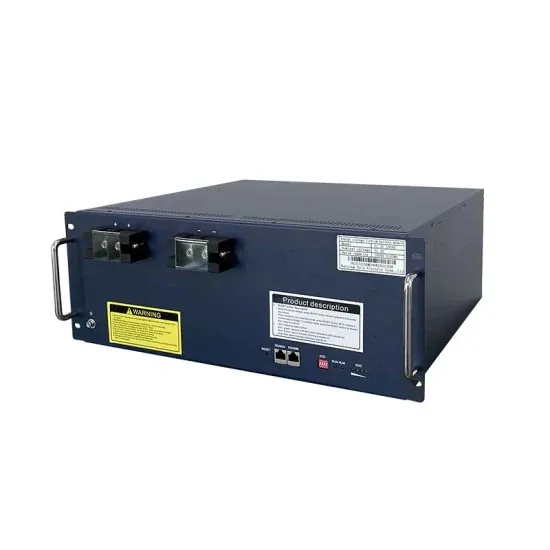
Brasilia solar container lithium battery pack quotation
Scale: Utility-scale projects (10+ MWh) cost $200-$300/kWh, while smaller commercial systems range $400-$600/kWh. Import Costs: Brazil's 14-18% import tax on lithium batteries impacts final pricing. Local Policies: Tax incentives in states like Ceará reduce project costs by up. . As Brasilia accelerates its renewable energy adoption, lithium battery prices have become a hot topic for solar project developers, commercial facility managers, and homeowners alike. Current market. . Battery Energy Storage System (BESS) quotations in Brazil could shift dramatically by 2026. With electricity prices jumping 24% since 2022 and solar capacity doubling to 25GW by 2025, businesses need cost-effective energy storage solutions now. But how do you lock in competitive pricing before. . Why should you choose a modular solar power container? Go big with our modular design for easy additional solar power capacity. Prices span from compact trailers to large hybrid BESS containers, with examples across multiple vendors and platforms.
[PDF Version]
-
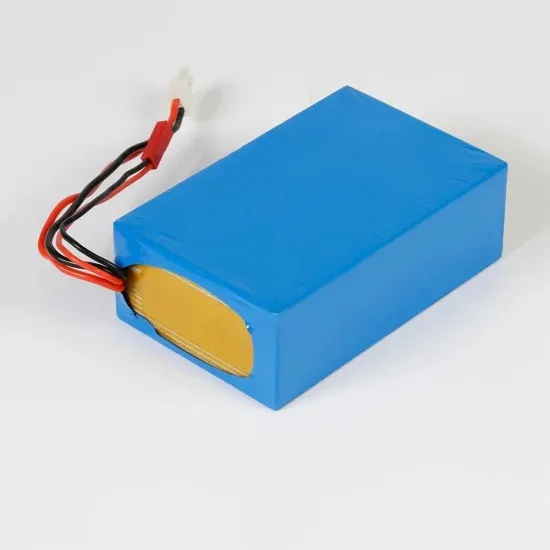
Is it safe to keep solar container lithium battery packs at home
The short answer is yes: you can store lithium-ion batteries in your home safely. Without appropriate storage, charging, and disposal methods, these batteries pose hazards such as: Let's explore how to mitigate those risks and protect your home. . While lithium-ion technology offers unprecedented efficiency and capacity, understanding its safety implications is paramount for homeowners. From advanced protection systems to proper installation protocols, multiple layers of safety measures exist to mitigate risks. Overcharging or Overdischarging: Exceeding recommended voltage limits or discharging. . Solar batteries, also known as solar energy storage systems or solar battery storage, are devices that store excess electricity generated by solar panels (photovoltaic or PV panels).
[PDF Version]
-
Which is better lithium iron phosphate or cylindrical solar container lithium battery
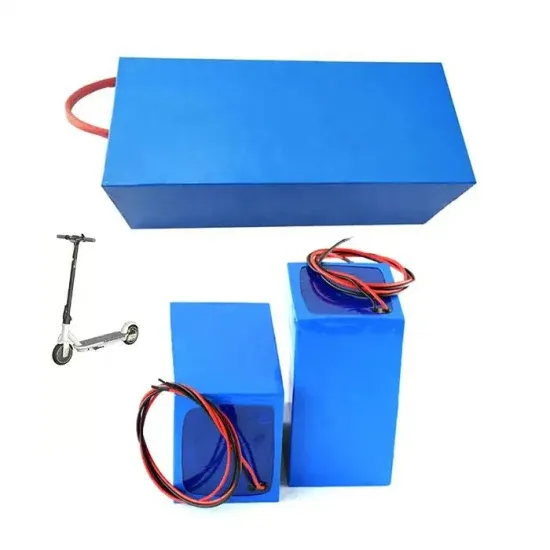
LiFePO4 (Lithium Iron Phosphate) batteries offer better safety, longer cycle life, and thermal stability compared to standard lithium-ion batteries. However, lithium-ion batteries have a higher energy density, making them lighter and more compact. Within the realm of LiFePO4 technology, there are different cell designs, each offering unique features. . What are the differences between common cylindrical lithium batteries and lithium iron phosphate batteries? Cylindrical lithium-ion batteries and lithium iron phosphate (LiFePO₄) batteries differ primarily in their chemistry, energy density, safety, lifespan, and application suitability. Among the different formats of LiFePO4 cells, LiFePO4 prismatic cells, and cylindrical cells are two of the most widely utilized. From powering smartphones to backing up entire homes with. .
[PDF Version]
-
Solar lithium battery energy storage company
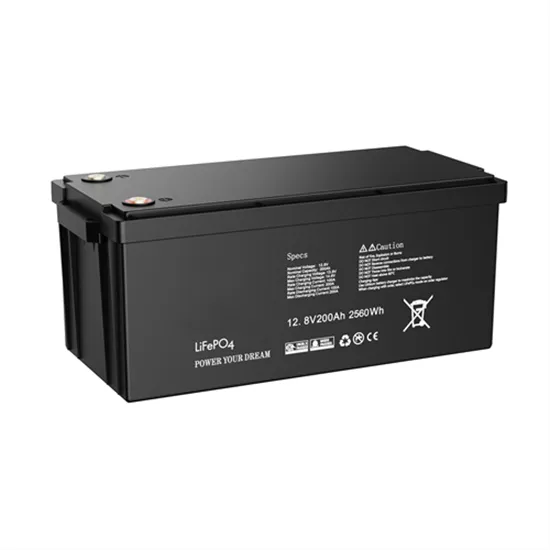
The top 10 companies driving cutting-edge storage tech and supporting the push toward a safe and decentralized carbon-free future are highlighted in this article. Tesla Energy (USA) Tesla Energy, a part of Tesla Inc., with its Powerwall and Megapack products, has revolutionized the. . independently manufacture complete energy storage systems. with customers in Europe, the Americas, Southeast Asia, Africa and other regions. We developed the world's first utility-scale lithium-ion BESS and. . The integration of a solar energy lithium battery system transforms how we store and use renewable energy. Companies like CNTE (Contemporary Nebula Technology Energy Co. 20 Frameworks, Startup Intelligence & More! Executive Summary: Which are the Top 10 Battery Storage Startups to Watch? Luxera Energy. . In the growing world of energy storage, there are some companies whose individual stars have risen to the top; some of them have found creative and scalable storage systems to work in conjunction with solar and wind.
[PDF Version]
 MENU