
BlueRack™ 250 Battery Cabinet | Natron Energy
The Best Backup Power in the Industry Scalable from Kw to multi-MW, the BlueRack™ 250 battery cabinet is a safe, high-powered solution you can count on. By employing breakthrough

A sodium-ion battery (SIB) is a sustainable energy storage technology based on abundantly available raw materials. It is a commercially viable option because of the processing similarity with Li-ion battery. Most of the energy storage studies focus on the near room temperature performance of different battery chemistries.
Eftekhari A, Kim D-W. Sodium-ion batteries: new opportunities beyond energy storage by lithium. Journal of Power Sources. 2018;395:336–348. doi: 10.1016/j.jpowsour.2018.05.089. [DOI] [Google Scholar] 20.
The principal components of sodium-ion batteries include anode, cathode, and electrolyte. These components are crucial for performance aspects such as thermal resistance, energy storage capacity, cycling performance, and safety. Fig. 1.
Similar risks may also occur with using sodium-ion batteries. However, some studies suggest that SIBs have the potential to offer safer energy storage systems. As reported by Eshetu et al., pure sodium salt exhibits better thermal stability than lithium salt, enhancing SIBs safety .
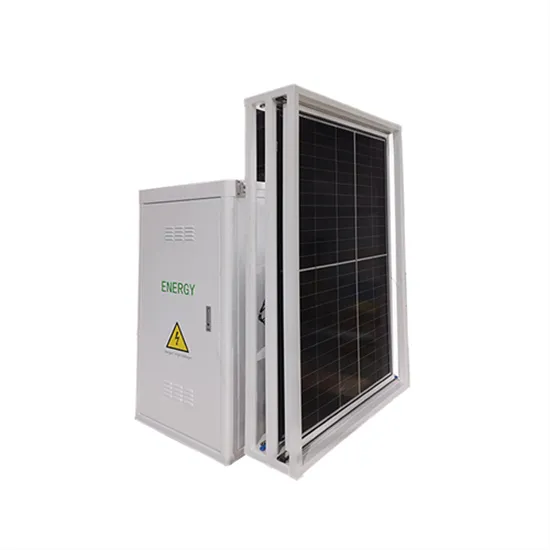
The Best Backup Power in the Industry Scalable from Kw to multi-MW, the BlueRack™ 250 battery cabinet is a safe, high-powered solution you can count on. By employing breakthrough
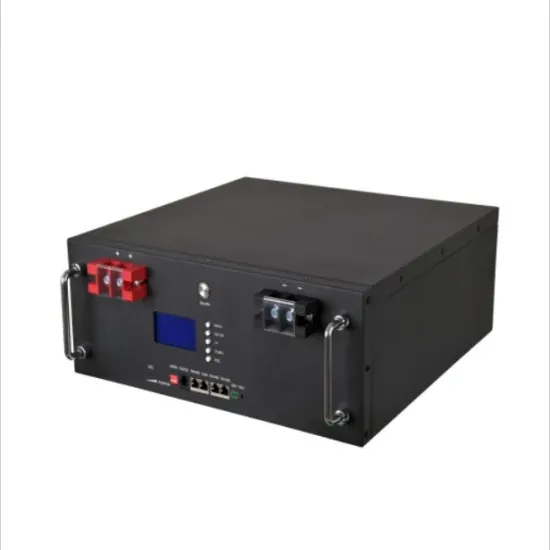
Abstract The rise in the popularity of electric vehicles and portable devices has boosted the demand for rechargeable batteries, with lithium-ion (Li-ion) batteries favored for their superior energy and power
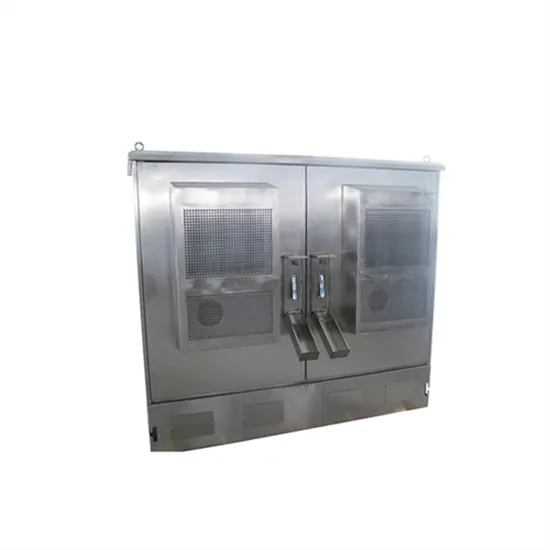
Introduction As global energy transition accelerates, off-grid solar and microgrid projects increasingly form backbone of rural electrification, industrial backup, and resilient community power.
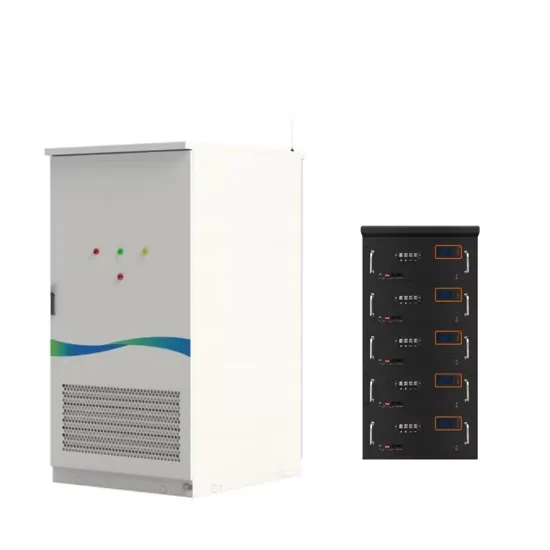
Ultra-large battery sodium-ion solar container cabinet Designed for peak shaving, valley filling, and off-grid resilience, this 90kW/215kWh modular solution integrates cutting-edge LiFePO4 or Sodium-ion

Sodium battery energy storage cabinet Can sodium-ion batteries be used for energy storage? Sodium technology therefore benefits from all the economies of scale and knowledge from lithium (retrofitting
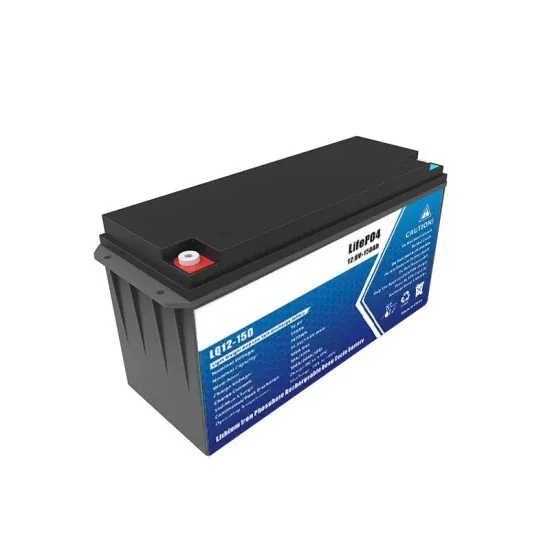
The sodium-ion battery materials discussed in this article have several challenges and opportunities for enhancing the performance of sodium-ion batteries. Transition metal cathode
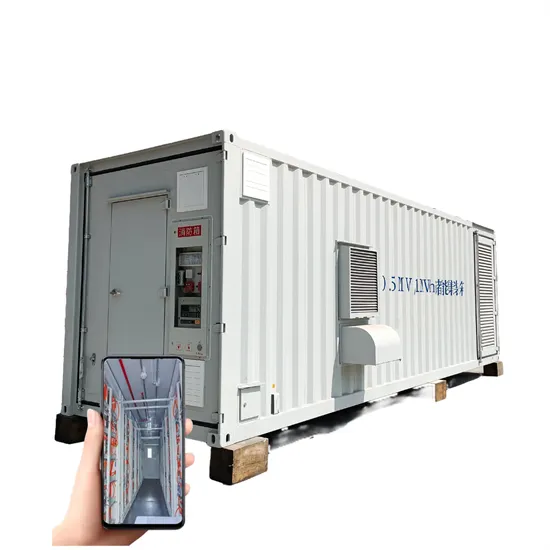
Sodium-ion batteries are a commercially viable option for sustainable energy storage, but their performance at low temperatures remains underexplored. Here, the authors present a sodium
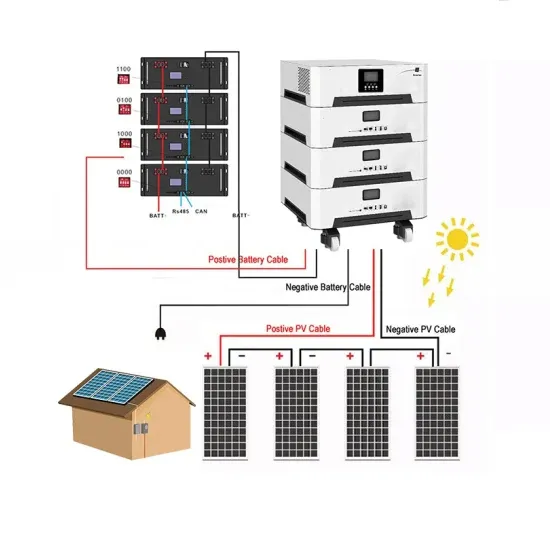
Sodium-ion Battery Module Technical Parameters (EUN24050R15S1P) Integrated sodium-ion battery UPS products are based on the market demand from edge computing branches
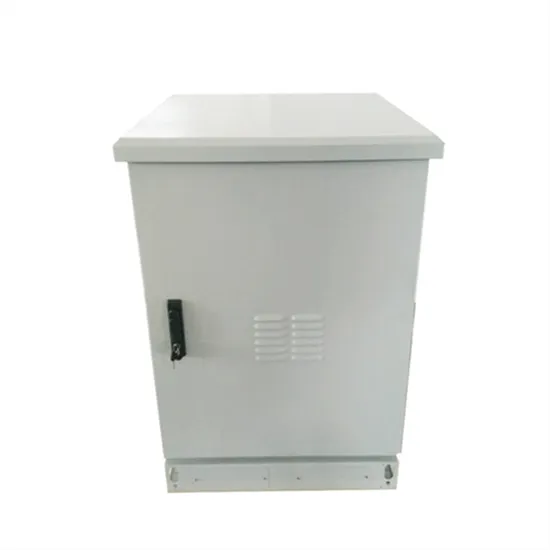
Abstract Sodium-ion batteries (SIBs) are emerging as a sustainable alternative to lithium-ion batteries due to their abundant raw materials, lower costs, and reduced environmental impact.
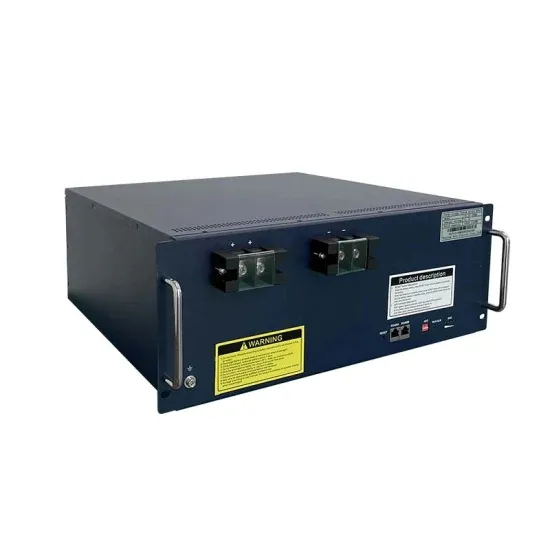
SIBPOM-106 Sodium-Ion Industrial and Commercial Energy Storage Cabinet is an integrated system with high energy density, including battery module (PACK),, battery management
PDF version includes complete article with source references. Suitable for printing and offline reading.